
DLSS 5’s AI beauty filter is rewriting game characters
DLSS 5’s AI beauty filter is rewriting game characters📷 Published: Apr 18, 2026 at 10:19 UTC
- ★DLSS 5 AI upscaling alters character designs
- ★Nvidia insists developers retain control
- ★Community fears homogenized character aesthetics
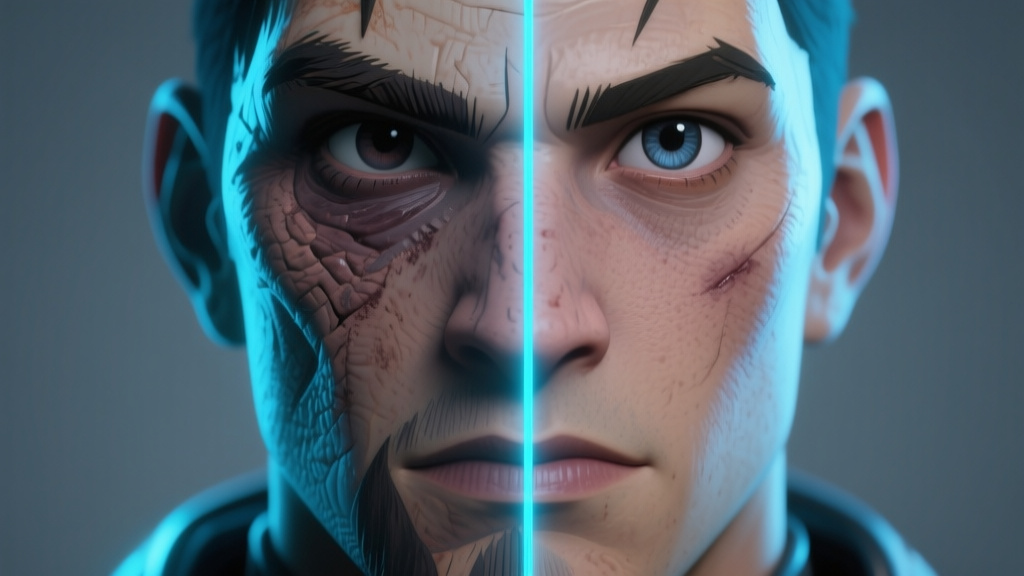
Nvidia’s DLSS 5 demo didn’t just showcase sharper frames—it quietly demonstrated how AI-driven upscaling can override a game’s artistic direction. In the first public showcase, the technique subtly smoothed facial features, widened eyes, and tightened jawlines, aligning characters with generative AI’s narrow ideal of beauty. The effect wasn’t just technical; it was editorial, replacing subtle character designs with algorithmic perfection. Players and developers alike are asking whether this is enhancement or erasure.
Nvidia frames this as a feature, not a bug, claiming "artistic control" remains in developers’ hands. But the demo’s visual output tells a different story. If DLSS 5’s AI is aggressively reinterpreting character models during runtime, even the most careful art direction may be at its mercy. Early adopters like Cyberpunk 2077 and Alan Wake 2 already rely on AI upscaling—so the stakes for visual identity are real, not hypothetical.
The tension isn’t theoretical. Generative AI’s tendency to homogenize aesthetics is well-documented, and DLSS 5’s demo suggests it could export those biases into gameplay. If every character ends up looking like a high-fidelity stock model, the risk isn’t just aesthetic drift—it’s the loss of the distinctive visual language that defines a game’s world.
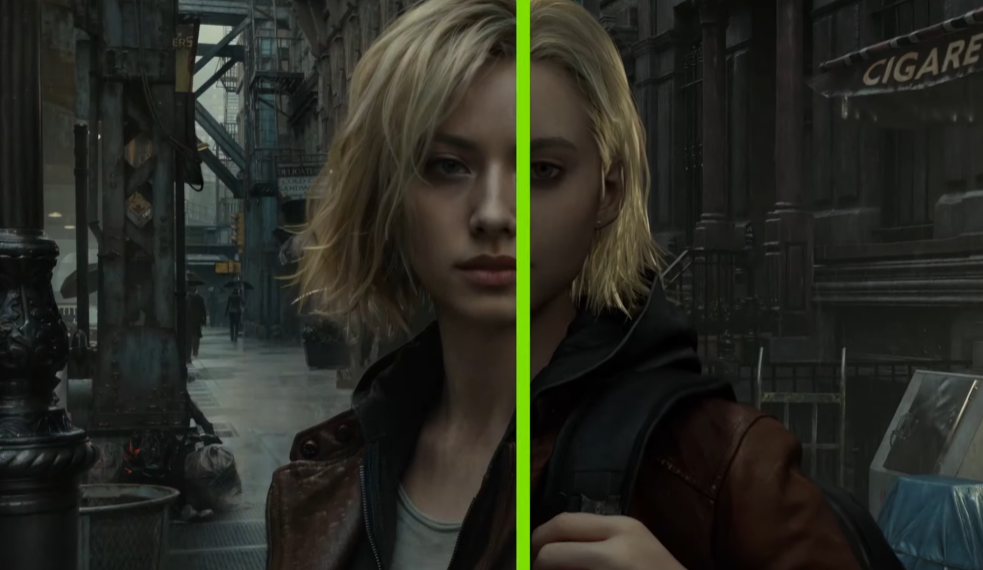
Demo vs. deployment reality: Nvidia’s AI upscaler looks good in slides, but risks overshadowing creative intent📷 Published: Apr 18, 2026 at 10:19 UTC
Demo vs. deployment reality: Nvidia’s AI upscaler looks good in slides, but risks overshadowing creative intent
Of course, Nvidia isn’t handing developers a finished toolkit yet. The company’s claims about control hinge on SDKs and developer fine-tuning, but the demo’s visual output implies a default aesthetic baked into the system. There’s no public documentation detailing how much—or how little—input artists retain over the final look. For now, the DLSS 5 beta feels more like a promise than a product.
Industry response has been cautious. While some studios welcome the performance gains, others see DLSS 5 as another instance of AI automating away creative nuance. The community’s reaction is louder: forums and social media are flooded with comparisons between upscaled and native renders, with many arguing the AI versions feel sanitized. If this becomes the default expectation for upscaled visuals, the pressure to conform could stifle artistic experimentation.
The real question isn’t whether DLSS 5 works—it’s what it transforms. When performance gains come at the cost of visual identity, the trade-off isn’t free. For developers, the next step is to balance DLSS 5’s efficiency with the risk of losing the handcrafted details that make their games memorable.
The irony? Nvidia’s AI upscaler may give us sharper textures, but at the potential cost of losing the textures of real character design. It’s a classic case of the medium shaping the message—and in this case, the message is ‘perfection at any cost.’