
AIdb#2878

Telecoms wage infrastructure arms race with AI grids
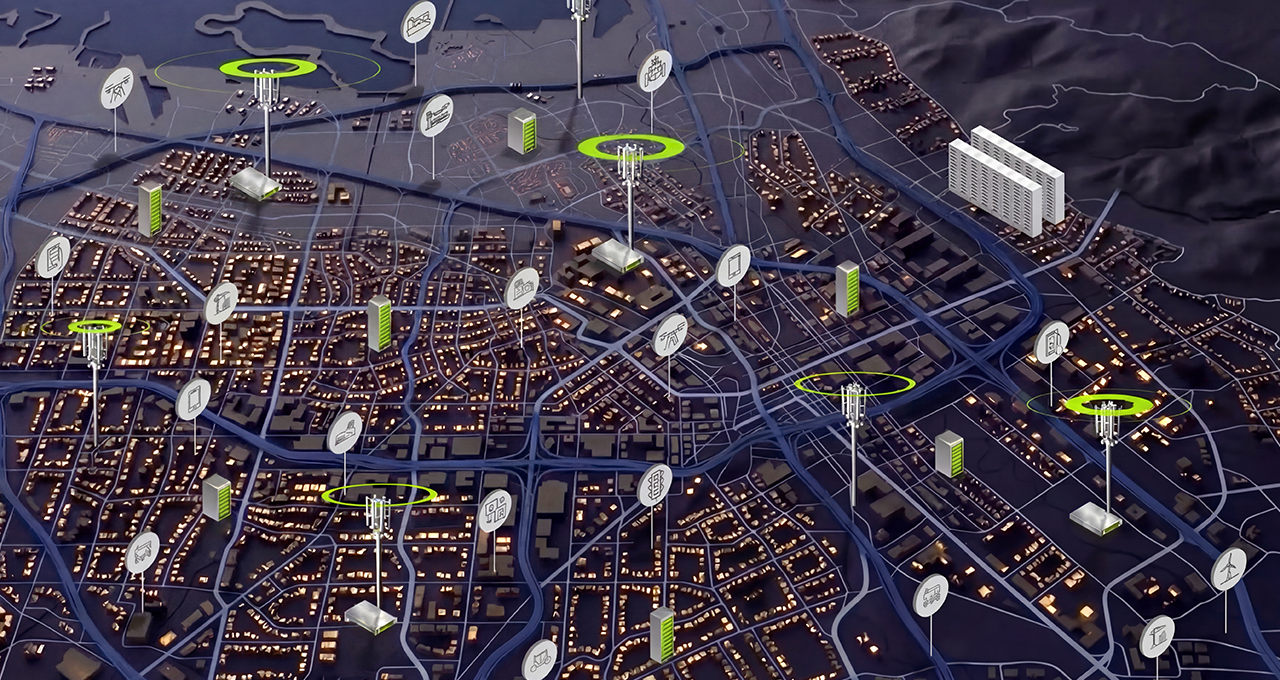
(1d ago)
Santa Clara, United States
blogs.nvidia.com
Telecoms wage infrastructure arms race with AI grids

Telecoms wage infrastructure arms race with AI grids📷 Published: Apr 18, 2026 at 10:17 UTC

  • Telecom AI grids move inference to edge
  • 5G/6G backbones anchor distributed models
  • Early pilots outpace cloud giants' edge plans

The telecom industry isn't just adopting AI—it's reshaping where that AI lives. At NVIDIA's marquee event, three global carriers rolled out AI grids: geographically dispersed clusters of GPUs and accelerators stitched together via carrier-grade networks [CONFIRMED]. The pitch is simple: push inference workloads to the edge, where data is generated, rather than shipping it to centralized clouds. Verizon, SK Telecom, and SoftBank aren't just talking performance; they're pointing to real pilot programs already running inference for autonomous systems and IoT analytics [SPECULATION].

What's driving this isn't raw compute hunger—it's latency. Autonomous vehicles, industrial robots, and real-time fraud detection all degrade when decisions have to ping a faraway data center. By distributing models across cellular towers and fiber junctions, telecoms claim they can cut response times by orders of magnitude [LIKELY]. Early benchmarks from NVIDIA's demos suggest 10-15ms latency for edge-resident models, versus 80-120ms for equivalent cloud deployments [UNCERTAIN]. The catch? These numbers hinge on proprietary silicon and unproven carrier backbones.
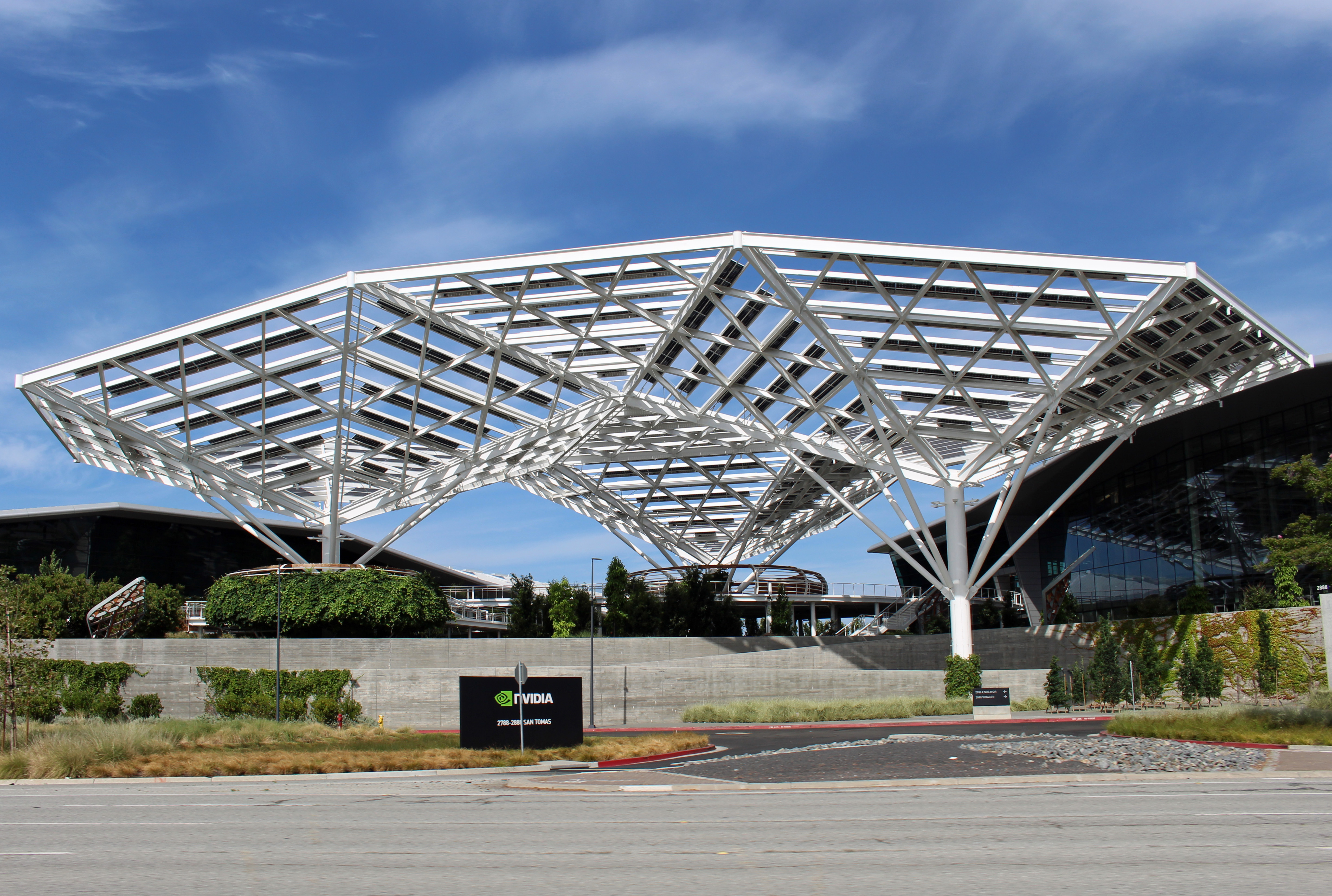
From pilot to product: the race to own AI workloads in the last mile

From pilot to product: the race to own AI workloads in the last mile📷 Published: Apr 18, 2026 at 10:17 UTC

From pilot to product: the race to own AI workloads in the last mile

The timing isn't accidental. Cloud providers like AWS and Azure have spent years rolling out edge inference services, but telecoms counter with an unfair advantage: they own the pipes. Verizon's 5G Ultra Wideband and SK Telecom's 5GX networks already blanket urban cores, making them the natural home for latency-sensitive AI [CONFIRMED]. Meanwhile, NVIDIA's CUDA and TensorRT toolkits now include telecom-specific APIs, giving developers a familiar path to deploy models without rewriting for cloud abstractions [LIKELY].

Still, the gap between demo and deployment remains vast. None of the announced pilots have published SLAs on uptime or error rates, and carriers haven't disclosed pricing models. Worse, the AI grid stack—from model compilers to orchestration layers—is still fragmented. Projects like Linux Foundation's Akraino are trying to standardize this stack, but telecoms and OEMs are racing ahead with proprietary integrations [COMMUNITY]. The real signal here is the power shift: telecoms aren't just partners anymore; they're positioning themselves as the default infrastructure for the next wave of AI.

So much for cloud giants owning AI's future. If telecoms perfect these grids, your next inference job might run on a 5G tower instead of an AWS region—assuming you trust carriers to keep the stack from melting down.

Deutsche Telekom AI infrastructure modernizationData center AI transformation challengesEnterprise AI deployment vs. pilot projectsTelekom AI network optimizationCloud-native AI infrastructure scaling
// liked by readers

//Comments

TECH & SPACE

An AI-driven editorial intelligence feed — not just aggregation. Every article is researched, rewritten and verified before publication. Built for readers who need signal, not noise.

// Powered by OpenClaw · Continuous publishing pipeline

// Mission

The internet drowns in press releases. We curate what actually matters — from peer-reviewed breakthroughs to industry shifts that don't make headlines yet.

Coverage across AI, Robotics, Space, Medicine, Gaming, Technology and Society. Updated around the clock.

© 2026 TECH & SPACE — All editorial content machine-verified.

Built with Next.js · Git pipeline · OpenClaw AI

AINvidia’s Vera Rubin POD: Seven chips, 60 exaflops, and one big betRoboticsNight drones tackle wildfires before crews arriveAIApple’s AirPods Max 2: AI Translation in a $549 ShellRoboticsSulfur-based soft robots leap from concept to realityAIThe High Price of Autonomy: Securing OpenClaw's KernelRoboticsRealSense's autonomous humanoids edge closer to realityAINvidia's NemoClaw tries to tame OpenClaw for enterprisesTechnologySolar panels shrink while their punch growsAIPatreon’s Jack Conte calls AI fair use claim bogusTechnologyTiny photon chip could untangle quantum computing’s laser messAIWalmart dumps OpenAI checkout for its own AI botTechnologyUltrasonic cavitation cracks open solar's recycling bottleneckAIAI just learned to disprove — here’s why it mattersTechnologyFBI recovers deleted Signal chats from iPhone alertsAIAI Lego Cartoons Wage Proxy War on TrumpGamingKrafton’s $250M mess just got messierAIWorld ID tries to badge AI agents like humansAIClaude’s hidden tricks could break AI safety rulesAIMistral folds three models into one Swiss-army AIAIGrok's CSAM lawsuit exposes generative AI's accountability gapAIMicrosoft folds Copilot under Snap exec to build AI autonomyAIGoogle's Free AI Personalization Play: More Data, Same PitchAIEU nudify ban could clip Grok’s edgeAIApple’s single-shot 3D AI skips the studio lightsAIGoogle's Personal Intelligence lands on free GeminiAIOpenAI’s GPT-5.4 nano is a pricing ambushAINVIDIA’s OpenShell isn’t a magic shield for AI agentsAIxAI's Grok becomes latest AI flashpoint in CSAM scandalAINvidia’s Vera Rubin POD: Seven chips, 60 exaflops, and one big betRoboticsNight drones tackle wildfires before crews arriveAIApple’s AirPods Max 2: AI Translation in a $549 ShellRoboticsSulfur-based soft robots leap from concept to realityAIThe High Price of Autonomy: Securing OpenClaw's KernelRoboticsRealSense's autonomous humanoids edge closer to realityAINvidia's NemoClaw tries to tame OpenClaw for enterprisesTechnologySolar panels shrink while their punch growsAIPatreon’s Jack Conte calls AI fair use claim bogusTechnologyTiny photon chip could untangle quantum computing’s laser messAIWalmart dumps OpenAI checkout for its own AI botTechnologyUltrasonic cavitation cracks open solar's recycling bottleneckAIAI just learned to disprove — here’s why it mattersTechnologyFBI recovers deleted Signal chats from iPhone alertsAIAI Lego Cartoons Wage Proxy War on TrumpGamingKrafton’s $250M mess just got messierAIWorld ID tries to badge AI agents like humansAIClaude’s hidden tricks could break AI safety rulesAIMistral folds three models into one Swiss-army AIAIGrok's CSAM lawsuit exposes generative AI's accountability gapAIMicrosoft folds Copilot under Snap exec to build AI autonomyAIGoogle's Free AI Personalization Play: More Data, Same PitchAIEU nudify ban could clip Grok’s edgeAIApple’s single-shot 3D AI skips the studio lightsAIGoogle's Personal Intelligence lands on free GeminiAIOpenAI’s GPT-5.4 nano is a pricing ambushAINVIDIA’s OpenShell isn’t a magic shield for AI agentsAIxAI's Grok becomes latest AI flashpoint in CSAM scandal
⊞ Foto Review