
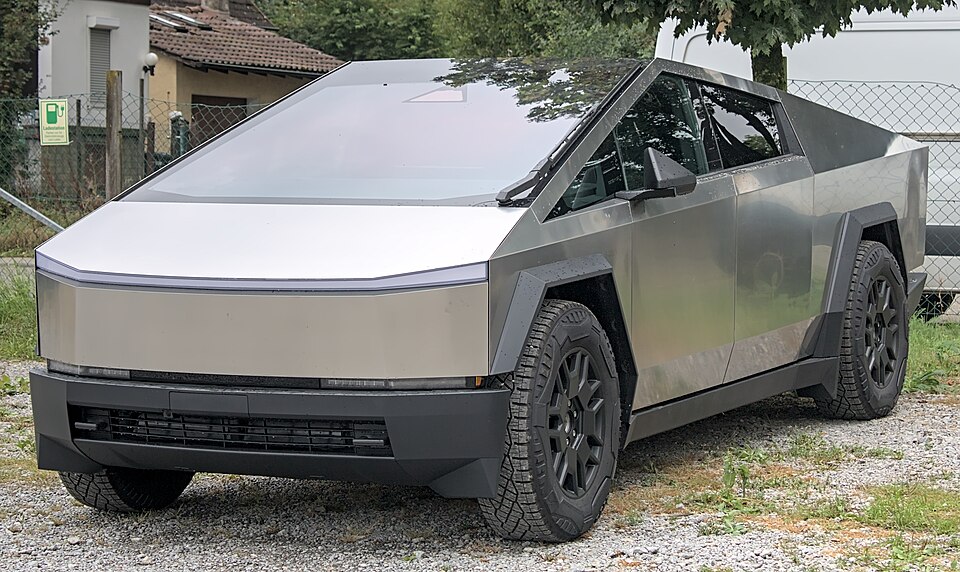
Tesla FSD logs vs. real-world crash evidence clash📷 Published: Apr 18, 2026 at 10:12 UTC
- ★Tesla logs vs. dashcam video dispute
- ★FSD’s real-world reliability questioned
- ★Log accuracy raises new doubts
A Tesla Cybertruck’s collision with a Houston highway overpass barrier has exposed fresh skepticism about Full Self-Driving’s real-time behavior. Viral dashcam footage reviewed by Electrek clearly shows the vehicle striking the concrete barrier while the system was allegedly active, despite Tesla’s logs claiming the driver disengaged FSD four seconds prior to impact.
The discrepancy isn’t just a matter of conflicting narratives—it’s a live demonstration of how hard it is to audit autonomous systems in the wild. Tesla’s reliance on internal logs for post-incident analysis assumes the data is flawless, yet the video evidence suggests a gap between timestamped events and actual system state. If confirmed, this would mark the latest in a string of incidents where observable behavior contradicts Tesla’s official account of events.
The company’s response strategy mirrors past playbooks: dismiss skepticism as fearmongering and double down on proprietary data as the sole source of truth. But the viral video—viewed millions of times—has already shaped public perception more effectively than any log file ever could.
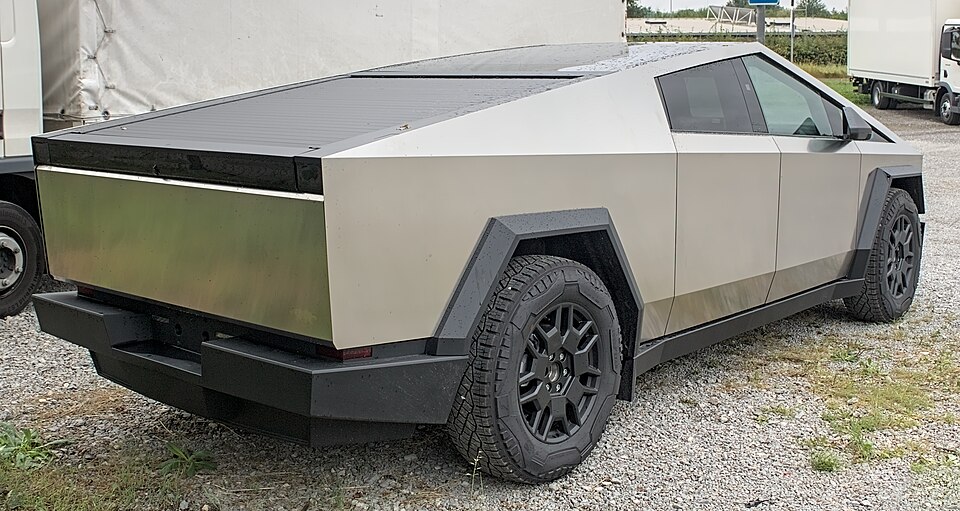
The gap between Tesla’s official timeline and observable crash data📷 Published: Apr 18, 2026 at 10:12 UTC
The gap between Tesla’s official timeline and observable crash data
Tesla fans quickly circled the wagons, framing the crash as yet another media-driven smear campaign. Their dismissive reactions, however, ignore a critical question: Why would a system that’s supposedly sophisticated enough for “full self-driving” require a human to intervene at the last possible second? The implication—that FSD still demands human oversight in edge cases it can’t handle—undermines years of promotional messaging.
Early signals from the video’s timeline suggest the system may have been active far longer than Tesla’s logs indicate, raising concerns about either log tampering or a fundamental misunderstanding of how FSD operates in practice. If the discrepancy holds, it’s not just a PR headache; it’s a potential liability issue for Tesla’s insurance partners and regulators increasingly scrutinizing autonomous vehicle claims.
Regardless of the outcome, this incident underscores a growing trust gap between Tesla’s marketing, its technical claims, and real-world performance. Drivers and watchdogs alike are learning that when autonomous systems fail, the logs tell only half the story.
The real signal here is that regulators and insurers will need independent verification tools before taking Tesla’s logs at face value. Otherwise, every crash becomes a he-said-she-said battle over data they can’t access.