
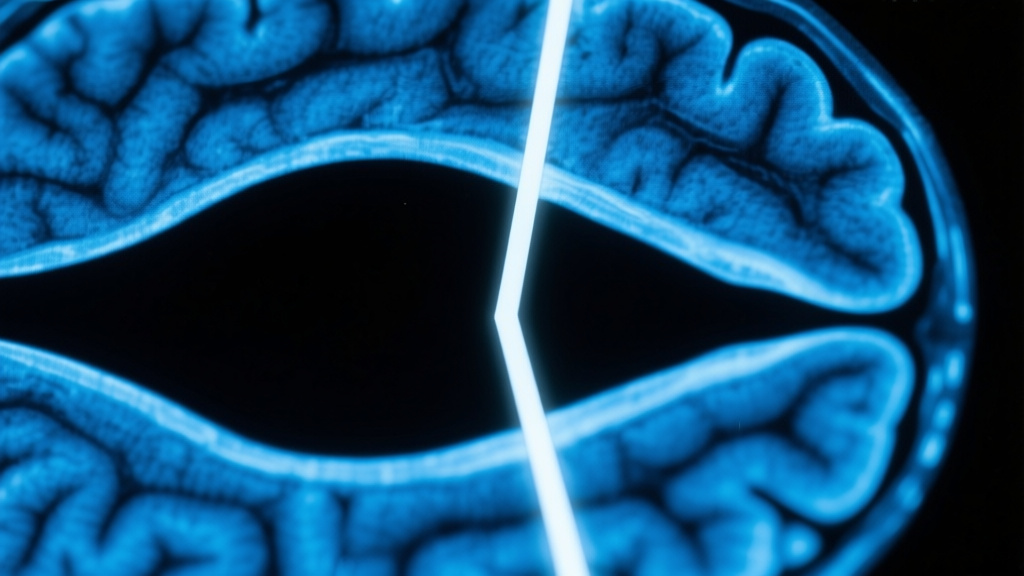
Brain atlas maps human growth—but gaps remain📷 Source: Web
- ★3,556 scans span infancy to old age
- ★Resting-state fMRI reveals communication networks
- ★Limits in sample diversity and methodology
The first functional brain atlas to chart human neural development from infancy to old age has arrived, offering an unprecedented view of how communication networks evolve. Researchers analyzed resting-state fMRI scans from 3,556 healthy individuals, ranging from 16-day-old newborns to centenarians, identifying patterns of connectivity that shift across the lifespan. The study, published in Nature Neuroscience, provides a reference map for typical brain organization, but its scope is limited by the cross-sectional design—capturing a single moment in time rather than tracking individuals longitudinally.
While the atlas confirms known developmental milestones, such as the pruning of neural connections in adolescence and the gradual decline in connectivity in later years, it also raises questions about the variability within age groups. For example, the study notes that some centenarians retain communication networks resembling those of much younger adults, suggesting resilience factors not yet understood. The reliance on resting-state fMRI, though a powerful tool, also introduces ambiguity: it measures correlations between brain regions, not direct causation, leaving room for interpretation about what these patterns truly signify for cognitive function or disease vulnerability.

A landmark study—with caveats that shape its real value📷 Source: Web
A landmark study—with caveats that shape its real value
Clinically, this atlas serves as a benchmark for future research rather than a tool for immediate patient care. Its primary value lies in its potential to help researchers identify deviations from typical development, such as those seen in neurodevelopmental disorders or neurodegenerative diseases. However, the study’s reliance on a self-reported ‘healthy’ sample—while expansive—does not account for undiagnosed conditions, genetic predispositions, or lifestyle factors that might influence brain connectivity. The lack of longitudinal data also means the atlas cannot predict individual trajectories, only describe population-wide trends.
For patients and clinicians, the takeaway is sobering: this is foundational science, not a diagnostic breakthrough. The atlas provides a framework for understanding brain maturation, but it does not yet translate into actionable insights for treatment or early intervention. Its utility will depend on future studies that link these connectivity patterns to specific outcomes—whether cognitive, behavioral, or pathological. Until then, the atlas remains a research-stage resource, one that underscores how much we still don’t know about the brain’s lifelong journey.
For researchers, this atlas opens doors to comparative studies, enabling investigations into how diseases or interventions alter brain networks. For patients, it offers no immediate answers but hints at a future where such maps might guide personalized care—once the gaps are filled.