
This tomato-picking robot pauses to think — and that's the point
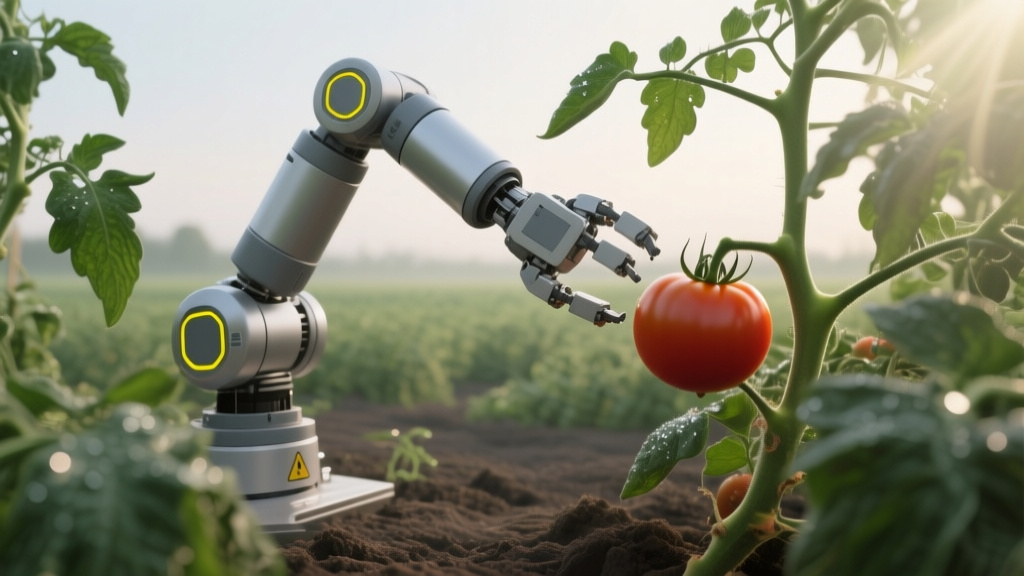
This tomato-picking robot pauses to think — and that's the point📷 Published: Apr 18, 2026 at 10:09 UTC
- ★81% success rate achieved
- ★Predicts harvest difficulty first
- ★Adjusts grip angle mid-action
Most agricultural robots grab first and analyze later. This one flips the script. Developed by researchers using AI-powered predictive modeling, the system evaluates how difficult each tomato will be to harvest before the gripper ever moves. Success rates hit 81% — a notable jump for delicate produce handling, where bruising and dropped fruit typically plague automation.
The mechanism isn't brute force. The robot assesses stem tension, fruit orientation, and occlusion by leaves, then selects an approach angle. If the initial path looks problematic, it recalculates. This deliberation adds milliseconds but prevents failed attempts that damage neighboring clusters or stall the harvest cycle.
Current agricultural automation largely avoids crops like tomatoes — too variable, too easily damaged. This system's adaptive reasoning suggests a path past that barrier. But the gap between controlled trials and field deployment remains substantial.
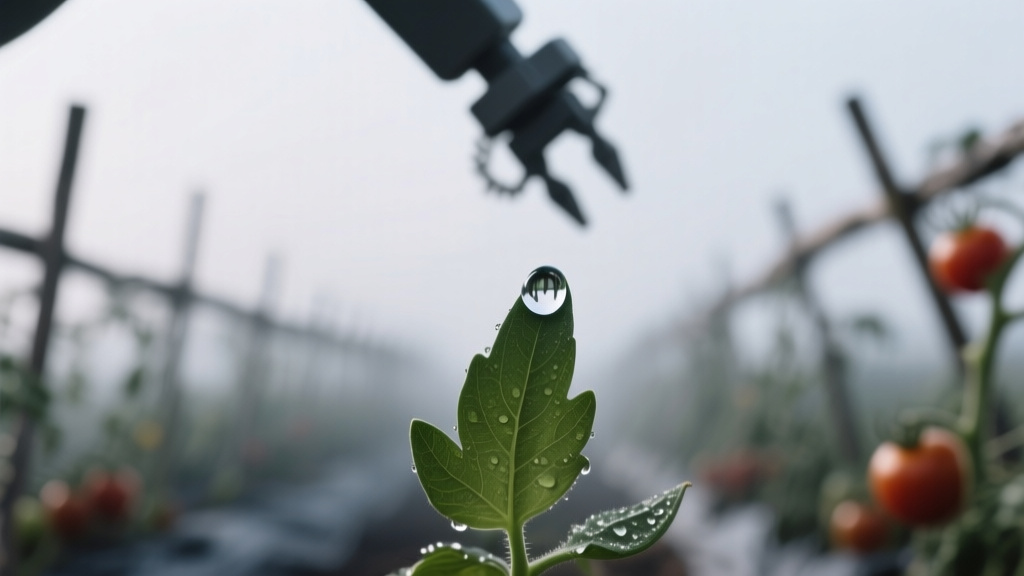
Demo finished. Reality starts now📷 Published: Apr 18, 2026 at 10:09 UTC
Demo finished. Reality starts now
Real farms present chaos that lab conditions rarely replicate. Wind shifts plant posture. Morning dew changes friction coefficients. Lighting varies across rows and seasons. The 81% figure almost certainly reflects idealized conditions with uniform varieties, trellised plants, and consistent ripeness.
Scaling this to commercial operations demands answers the current reporting doesn't provide. What's the mean time between failures? How does performance degrade across temperature ranges? Can it handle the 60+ tomato cultivars grown commercially in the US alone, each with distinct stem mechanics and cluster architecture?
Human-robot collaboration appears to be the near-term target rather than full replacement. The robot handles repetitive, reachable fruit while workers manage edge cases and quality judgment. This division makes operational sense but requires redesigning workflows and compensation structures — transformations that move slower than hardware development.
Eighty-one percent in the lab is promising. But what's the number when the humidity spikes, the variety changes, and the maintenance technician is two hours away?