
Artemis II’s lunar flyby isn’t just a test—it’s a trajectory shift
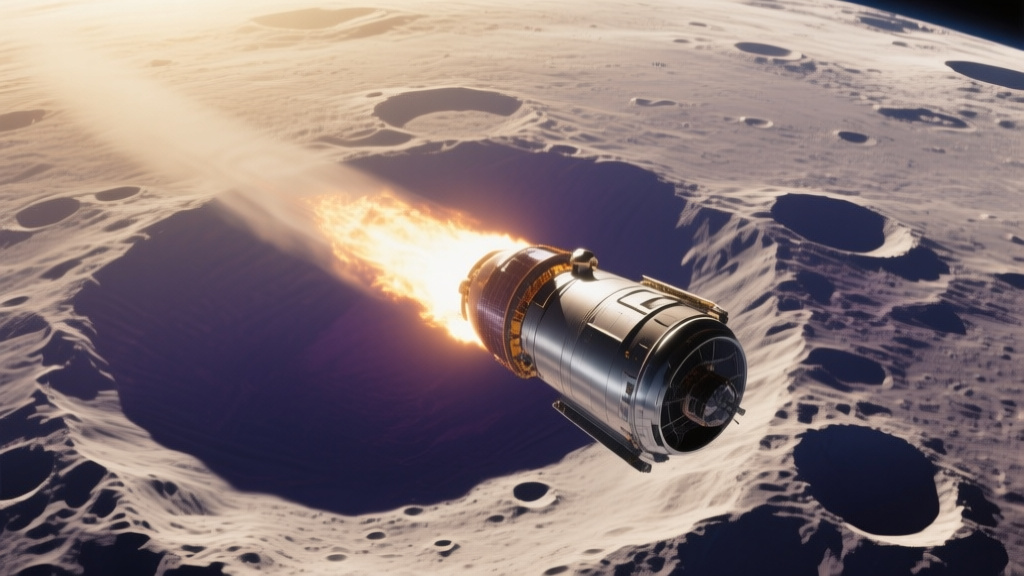
Artemis II’s lunar flyby isn’t just a test—it’s a trajectory shift📷 Published: Apr 7, 2026 at 04:20 UTC
- ★Orion’s crewed lunar flyby confirms Artemis’s operational precision
- ★Unspecified record hints at deeper mission capabilities
- ★Next step: validating life-support systems for long-duration Moon missions
NASA’s Artemis II didn’t just loop around the Moon—it demonstrated what a crewed spacecraft can endure beyond low Earth orbit. The Orion capsule, piloted by commander Reid Wiseman with Victor Glover, Christina Koch, and Canadian astronaut Jeremy Hansen, executed a high-stakes lunar flyby that NASA has yet to detail in full. Early telemetry suggests the maneuver tested Orion’s thermal shielding and propulsion at velocities exceeding Apollo-era returns, though officials haven’t confirmed whether the ‘record’ refers to speed, proximity, or system endurance.
This wasn’t a spectacle; it was a stress test. The flyby placed Orion within the Moon’s gravitational influence—a critical phase for validating the European Service Module’s performance under real-world lunar conditions. Unlike robotic precursors, Artemis II carries humans, meaning every system—from radiation shielding to manual override protocols—had to function flawlessly. The absence of publicized anomalies is, in this case, the headline.
What’s missing from the chatter: hard numbers. No closest-approach distance, no delta-v burns, no confirmation of whether the crew manually piloted during the flyby. That reticence isn’t secrecy—it’s the gap between engineering validation and public narrative. For now, the data belongs to mission control, not press releases.
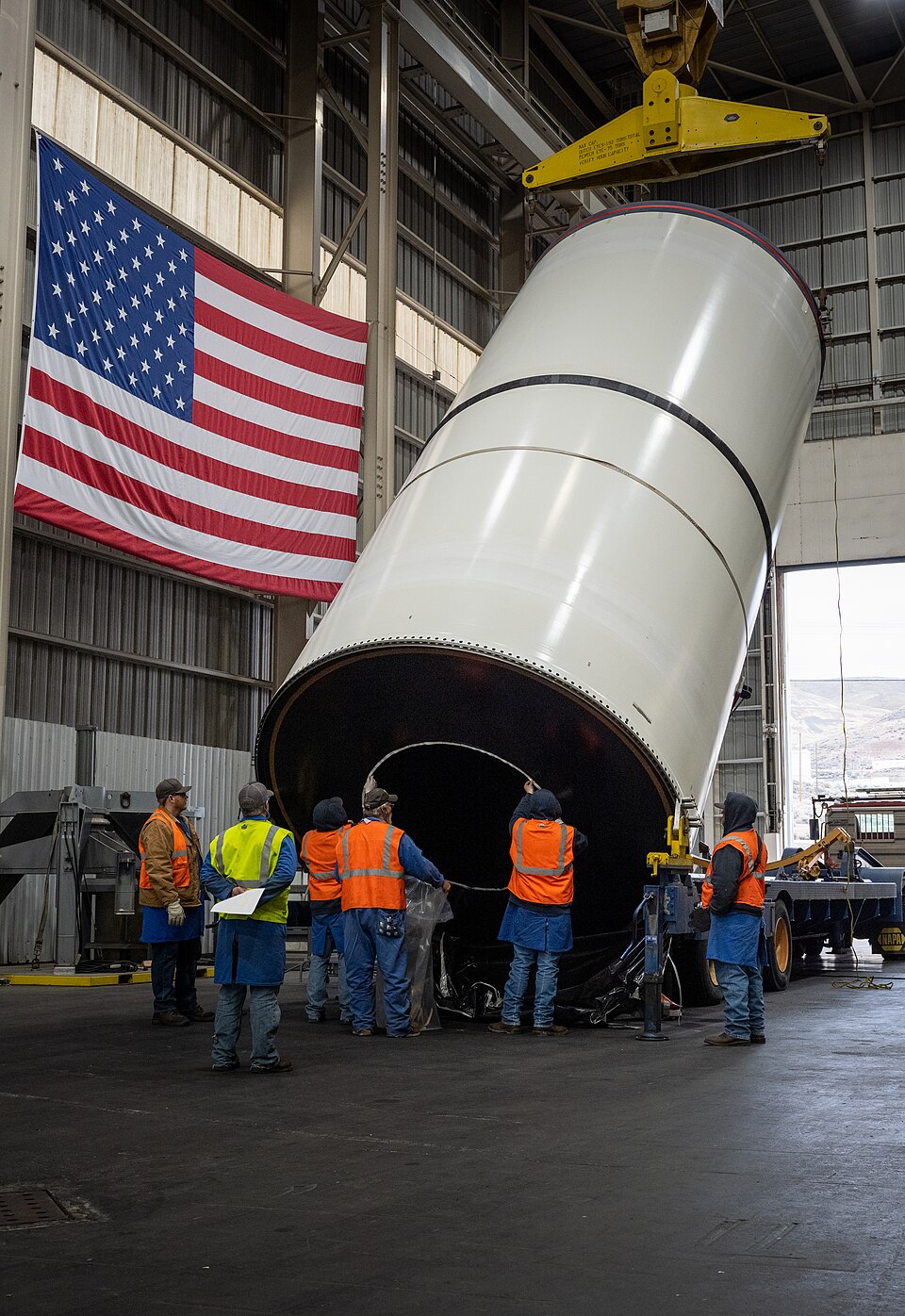
The unspoken milestone in a 380,000-km round trip📷 Published: Apr 7, 2026 at 04:20 UTC
The unspoken milestone in a 380,000-km round trip
The flyby’s significance lies in what it enables next. Artemis II is the bridge between Earth-orbit shakedowns and Artemis III’s planned lunar landing; this mission’s success directly accelerates the timeline for bootprints on the Moon by 2026. The unspoken tension: whether Orion’s life-support systems, tested here for ~10 days, can scale to the 30-day durations required for surface missions. Early signals suggest the crew’s physiological data will be pivotal in answering that.
Community interpretations—like those on NASASpaceFlight’s forums—focus on the ‘record’ as a possible reference to Orion’s operational duration beyond the Van Allen belts. But without NASA’s post-flight briefing, that remains educated guesswork. The agency’s Artemis blog has prioritized procedural updates over technical deep dives, a reminder that public engagement and engineering rigor operate on different clocks.
The real story isn’t the flyby itself, but the quiet confirmation that NASA’s deep-space infrastructure is holding. For the first time since Apollo, a crewed vehicle has used the Moon’s gravity as a slingshot—and returned data, not just photos. That’s the difference between exploration and tourism.