
Mars’ Hidden Water Chemistry Raises New Habitability Questions
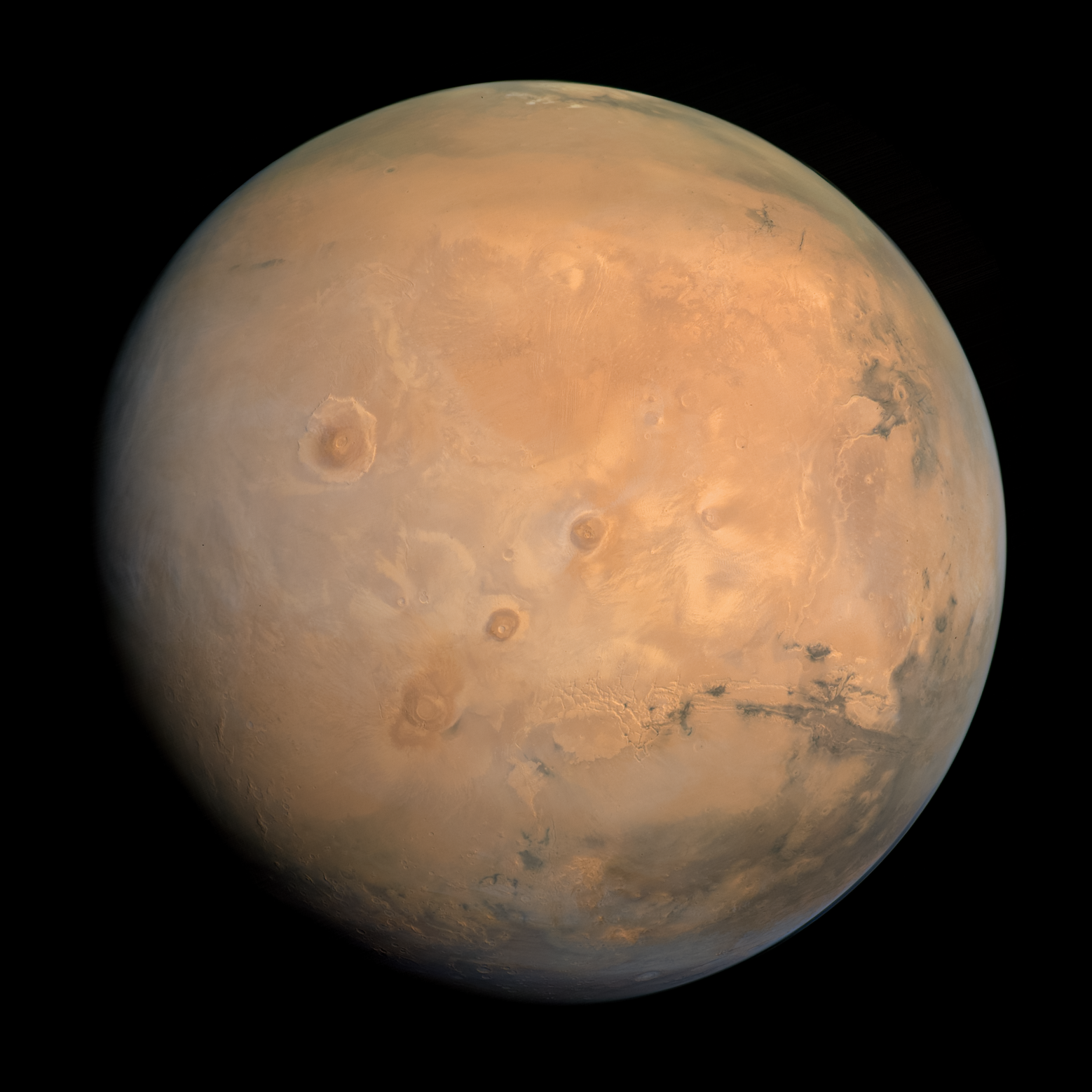
Mars’ Hidden Water Chemistry Raises New Habitability Questions📷 Published: Mar 26, 2026 at 18:18 UTC
- ★Alkaline and acidic waters mixed beneath Mars’ surface
- ★Environmental conditions theoretically suitable for microbial life
- ★Findings align with ongoing Mars Sample Return mission priorities
The search for habitable environments on Mars has long focused on surface water or ice deposits. But a new analysis suggests a far more complex story unfolding beneath the planet’s crust: alkaline and acidic waters once mixed in subsurface reservoirs, creating conditions that—in theory—could have supported microbial life.
This isn’t speculation about ancient oceans or fleeting seasonal brines. The study, reported by Sky & Telescope, points to geochemical evidence of sustained water interactions in Mars’ subsurface, where pH gradients might have mirrored those in Earth’s deep biosphere. The implications are twofold. First, it challenges the assumption that Mars’ habitability window closed when surface water vanished. Second, it reframes where we should look for biosignatures—not just in lakebeds or polar caps, but in the mineralogical records of underground mixing zones.
The findings arrive as NASA’s Mars Sample Return mission enters its critical planning phase. If these subsurface reactions left detectable traces in collected regolith, they could provide the first in situ evidence of Mars’ chemical dynamism—something no rover has yet confirmed.
The confirmation that shifts our understanding of Martian geochemistry📷 Published: Mar 26, 2026 at 18:18 UTC
The confirmation that shifts our understanding of Martian geochemistry
To understand the significance, consider the timeline. Mars’ surface became inhospitable roughly 3 billion years ago, but subsurface water interactions may have persisted far longer. The study’s authors propose that when alkaline fluids (likely from serpentine minerals) met acidic sulfur-rich waters, the resulting pH neutralization could have stabilized environments for hundreds of millions of years—long enough for life to emerge, if it ever did.
This aligns with terrestrial analogs like Canada’s Kidd Creek Mine, where similar mixing sustains microbes kilometers underground. Yet ESA’s ExoMars team cautions against overinterpretation: while the chemistry is plausible, no organic traces have been linked to these zones. The real bottleneck isn’t the theory’s elegance, but the lack of direct samples from these depths.
What’s next? The Perseverance rover is already targeting Jezero Crater’s clay-rich units—potential archives of such interactions. But the study’s authors urge prioritizing sites with exposed subsurface layers, like Nili Fossae, where orbital data hints at past hydrothermal activity. The clock is ticking: sample return capsules have limited space, and every gram must justify its scientific weight.
Operationally, the findings pressure mission planners to balance spectacle with substance. Jezero’s delta is photogenic, but the real story might lie in the unglamorous, weathered outcrops that record Mars’ hidden plumbing. The next rover’s instrument suite may need to prioritize pH-sensitive mineral detection over broader surveys.