
Transfer Learning’s Quiet Promise for Drug Manufacturing
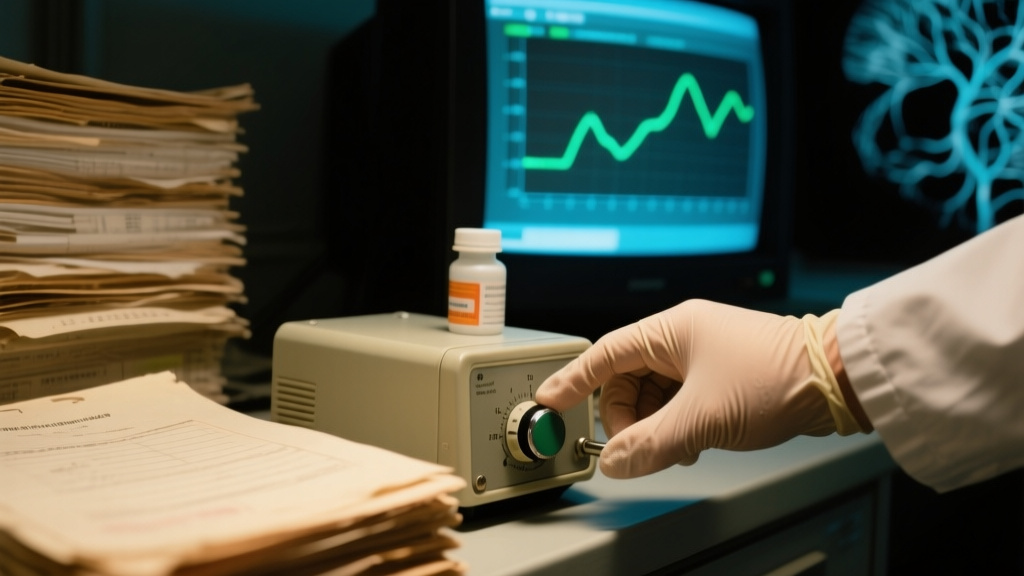
Transfer Learning’s Quiet Promise for Drug Manufacturing📷 Published: Apr 9, 2026 at 06:49 UTC
- ★Reusing historical data to cut process development costs
- ★Predictive models built on existing datasets, not new trials
- ★Early-stage technique with no regulatory approval yet
Drug manufacturers spend years and billions refining production processes, often repeating experiments to account for minor variations. Transfer learning, a machine learning technique adapted from fields like computer vision, offers a way to reuse historical data—training models on existing datasets instead of starting from scratch each time. Early signals suggest this could trim months off development timelines, but the evidence remains confined to research-stage applications.
The approach isn’t new to AI, but its adoption in biopharma is nascent. Companies like Genentech and Pfizer have explored similar methods for small-molecule synthesis, though peer-reviewed validation for large-scale biologics is scarce. The core advantage—leveraging past failures as well as successes—could reduce waste, but only if the historical data is high-quality and representative of real-world conditions.
Critically, this isn’t about discovering new drugs. It’s about optimizing how existing ones are made: adjusting fermentation conditions, purifying proteins more efficiently, or predicting scale-up bottlenecks. For regulators, that distinction matters. The FDA’s emerging guidance on AI in manufacturing focuses on process validation, not predictive shortcuts—meaning transfer learning’s role, if any, remains undefined in approval pathways.
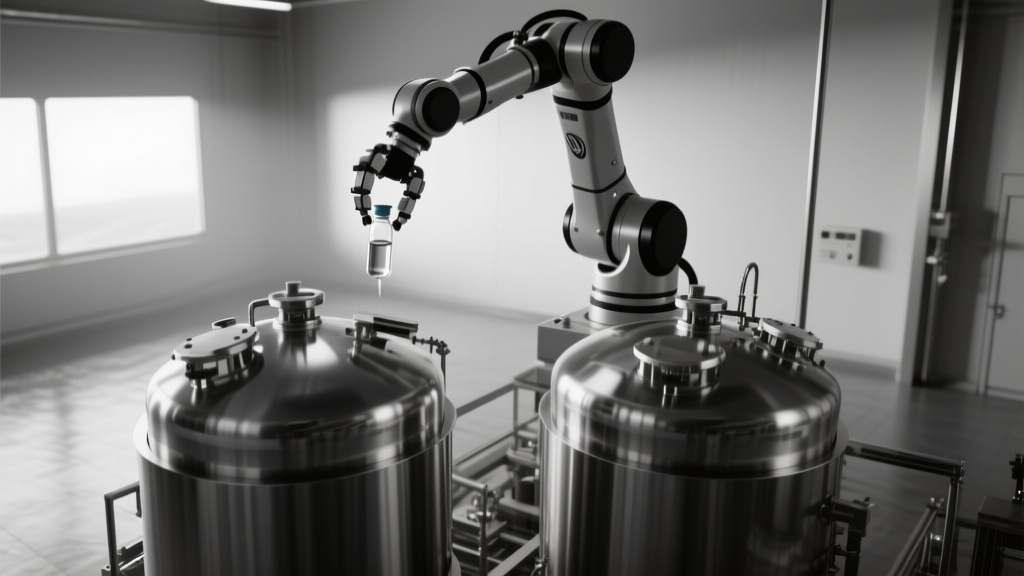
A machine learning shortcut—with real limits and no patient impact today📷 Published: Apr 9, 2026 at 06:49 UTC
A machine learning shortcut—with real limits and no patient impact today
The most immediate beneficiaries wouldn’t be patients, but manufacturers facing patent cliffs or biosimilar competition. A 2022 McKinsey analysis estimated AI-driven process optimization could cut development costs by 15–25%—but those savings assume seamless data integration across legacy systems, a hurdle few companies have cleared.
What’s missing from the hype? Clinical relevance. Transfer learning models trained on one company’s data may not generalize to another’s processes, and no study has yet demonstrated real-world cost reductions at scale. The technique also inherits biases from its training data: if historical datasets overrepresent certain cell lines or equipment, the models may perform poorly on novel systems.
For now, this is a tool for engineers, not physicians. The International Society for Pharmaceutical Engineering (ISPE) notes that while AI can identify correlations in process data, it rarely explains why a given parameter works—leaving critical decisions to human experts. That’s a far cry from the ‘self-optimizing factories’ some headlines promise.
For future research, the bottleneck isn’t the algorithm but the data. Standardizing industrial datasets across companies could unlock broader applications, but competitive pressures make collaboration unlikely. The next step isn’t more models—it’s proving they work outside the lab.