
Tumors Sabotage Immune Cells—Can Mitochondria Fix It?

Tumors Sabotage Immune Cells—Can Mitochondria Fix It?📷 Published: Apr 6, 2026 at 22:38 UTC
- ★Tumors disable dendritic cells via metabolic tricks
- ★Mitochondrial boost revives antitumor immune response
- ★Early-stage research, no patient impact yet
Dendritic cells, the immune system’s sentinels, fail not by chance but by design. New research reveals tumors actively suppress these gatekeepers through a metabolic mechanism, starving their mitochondria and crippling their ability to rally T-cells against cancer. The study, published in GEN - Genetic Engineering and Biotechnology News, demonstrates that restoring mitochondrial function in these cells can reignite antitumor activity—at least in preclinical models.
The findings hinge on a previously underappreciated vulnerability: tumors exploit the high energy demands of dendritic cells, forcing them into a dysfunctional state. By targeting mitochondrial pathways, researchers reversed this suppression, enhancing the efficacy of existing immunotherapies like checkpoint inhibitors. Yet the work remains confined to lab and animal studies, with no human trials underway.
This isn’t the first time metabolism has been linked to immunotherapy resistance, but the focus on dendritic cells—a linchpin for priming immune responses—adds precision. Earlier studies, such as this 2022 Nature paper on T-cell exhaustion, hinted at similar metabolic sabotage, but the new work isolates the mechanism to a specific cell type.
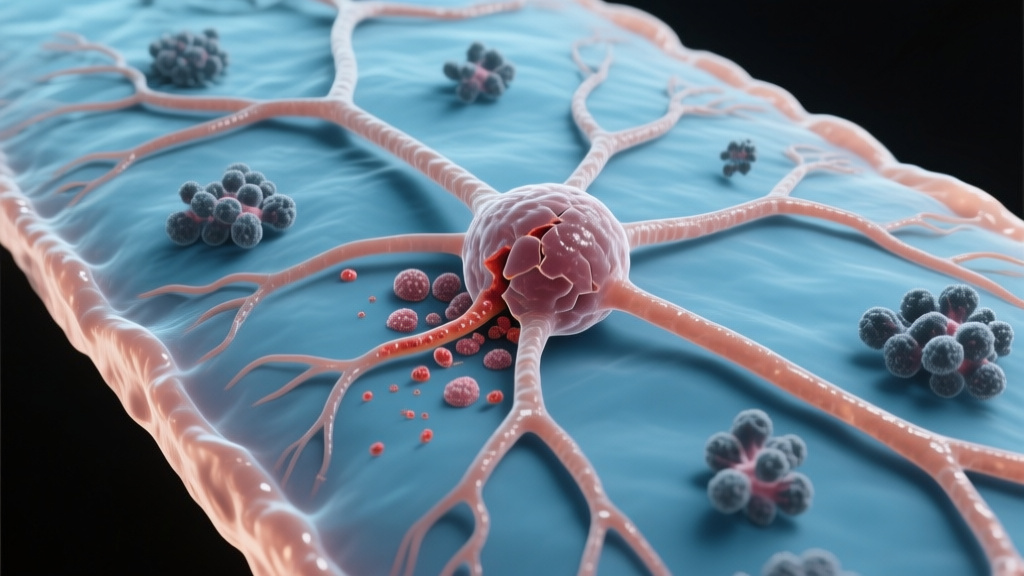
A metabolic weak spot in immunotherapy—with real limits📷 Published: Apr 6, 2026 at 22:38 UTC
A metabolic weak spot in immunotherapy—with real limits
The study’s strength lies in its mechanistic clarity, but its limits are equally clear. Conducted primarily in mouse models and cell cultures, the research lacks the rigor of clinical validation. Sample sizes and methodologies weren’t detailed in the GEN summary, leaving open questions about reproducibility and scalability. For patients, this means no immediate change—just another piece in the puzzle of why some immunotherapies fail.
What the work does offer is a roadmap for future inquiry. If mitochondrial dysfunction in dendritic cells proves a consistent bottleneck, therapies targeting this pathway could complement existing treatments. The NIH’s Cancer Immunotherapy Trials Network has already flagged metabolic modulation as a priority, but translating this into clinical practice will require years of testing.
For now, the real signal isn’t a breakthrough but a refinement: a specific metabolic lever in a complex system. The bottleneck may not be the immunotherapy itself, but the cells meant to enable it.