
Drone swarms take flight—but not off the demo lot yet
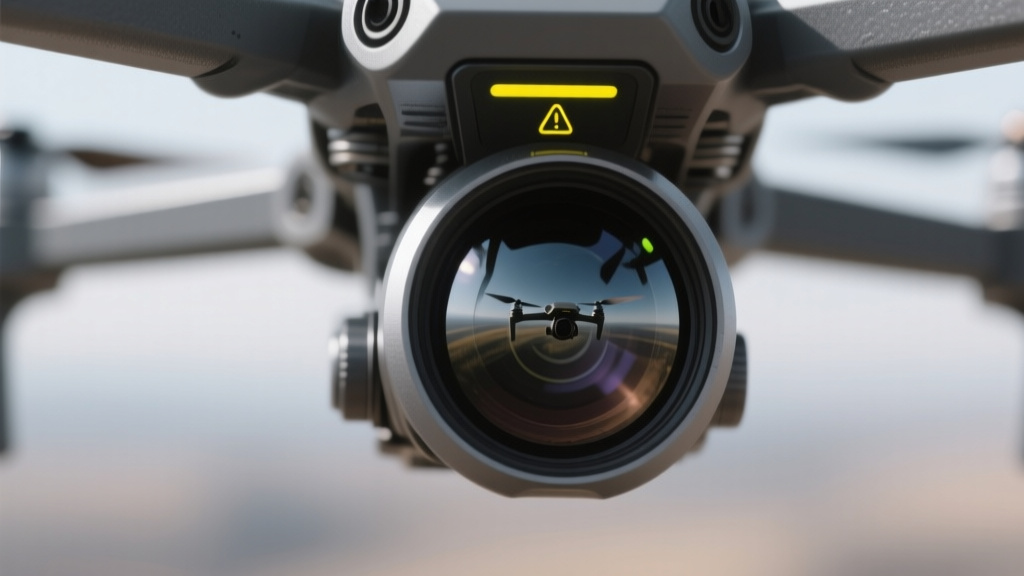
Drone swarms take flight—but not off the demo lot yet📷 Published: Apr 15, 2026 at 08:04 UTC
- ★SwarmOS integrates with Draganfly drones
- ★Defense applications drive autonomous swarm tech
- ★Hardware limits still ground real-world deployment
Palladyne AI’s SwarmOS has successfully paired with Draganfly’s drone hardware in a flight simulation, marking a small but notable step toward autonomous drone swarms for defense. The integration, confirmed by The Robot Report, demonstrates coordinated control—likely involving multiple drones—but stops short of revealing how many, where, or under what conditions. For all the polished press releases, the demo remains just that: a controlled test, not a field-ready system.
Autonomous swarms promise to revolutionize defense logistics, surveillance, and even combat, but the gap between simulation and deployment is vast. SwarmOS’s ability to manage multiple drones in a lab setting doesn’t account for real-world variables like GPS interference, weather, or battery life. Draganfly’s drones, while capable, are still constrained by payload limits and flight endurance—factors that become critical when scaling from a handful of units to a functional swarm. The U.S. Department of Defense’s recent experiments with drone swarms highlight these challenges, where even basic coordination falters outside pristine conditions.
The defense sector’s interest is undeniable, but the technology’s maturity is another question. SwarmOS’s integration with Draganfly’s hardware is a proof of concept, not a product. The FAA’s drone regulations and military certification processes add layers of complexity, often overlooked in demo videos. For now, the swarm remains grounded in the lab.
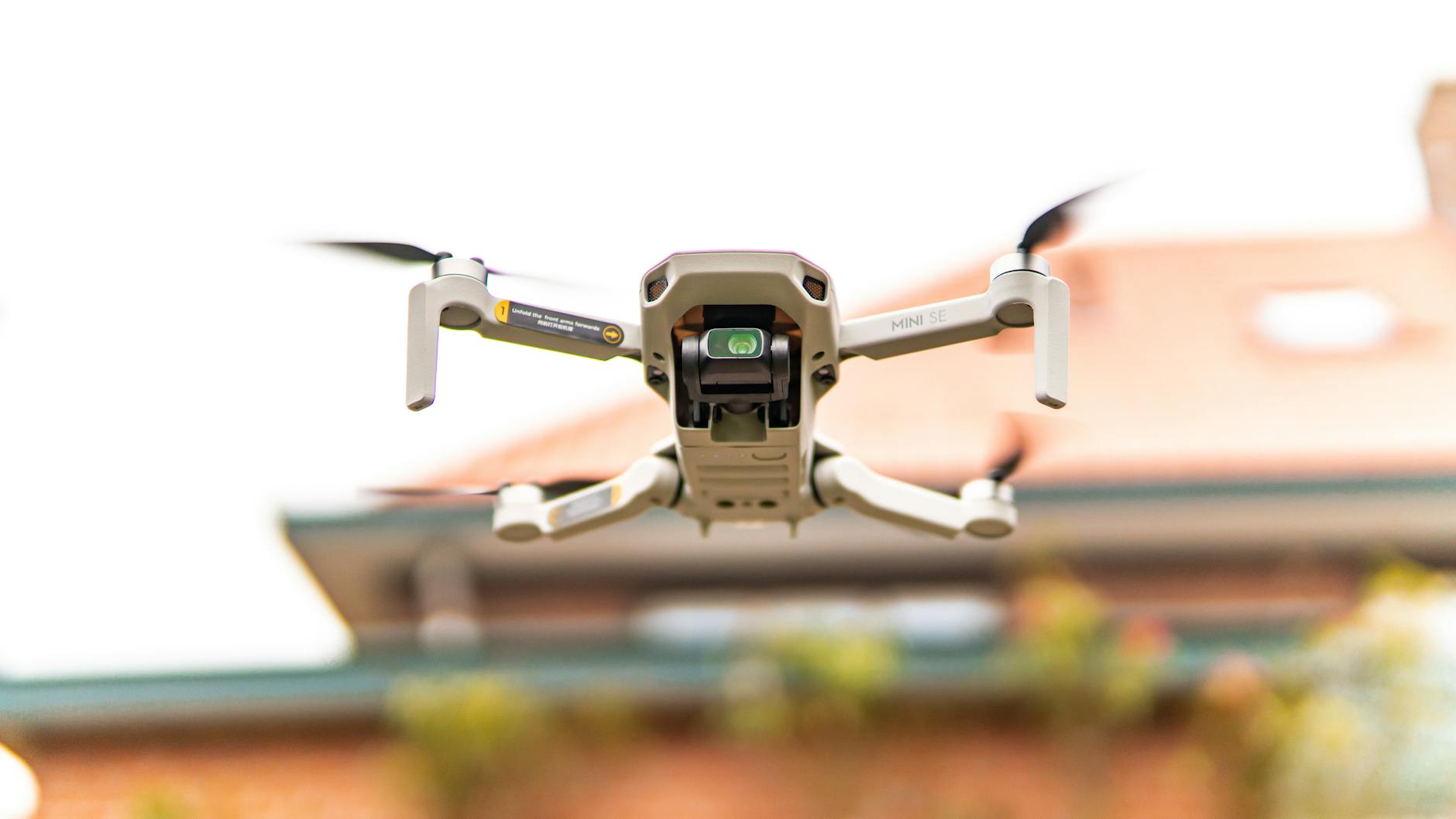
The demo worked. The real world hasn’t been invited yet📷 Published: Apr 15, 2026 at 08:04 UTC
The demo worked. The real world hasn’t been invited yet
What’s missing from the conversation is the hardware’s real-world resilience. Drones in a simulation don’t contend with wind, dust, or signal jamming—all routine in military operations. Draganfly’s components, while advanced, are still limited by battery technology, which caps flight times and payloads. A swarm’s effectiveness hinges on endurance; a 30-minute flight time is useless for long-range reconnaissance. The Army’s drone swarm tests have repeatedly shown that scaling up requires not just software but robust, field-tested hardware.
Then there’s the question of safety. Autonomous swarms in defense scenarios must avoid collisions, adapt to dynamic environments, and fail gracefully—none of which are trivial problems. The 2020 drone swarm accident in Germany, where a test went awry, underscores the risks. Palladyne and Draganfly’s milestone is a step forward, but it’s a step measured in inches, not miles.
The real signal here isn’t the demo’s success but the industry’s quiet acknowledgment of the work left to do. Swarm technology won’t be deployable until it can operate in the chaos of real-world conditions. For now, the swarm’s biggest enemy isn’t a rival system—it’s the environment itself.
Tech demos have a habit of looking flawless until the second they’re exposed to reality. SwarmOS’s flight simulation is no exception—just another reminder that the real world doesn’t come with a ‘reset’ button. The marketing team’s job is done; the engineers’ is just beginning.