
Back to Home
Spacedb#2625

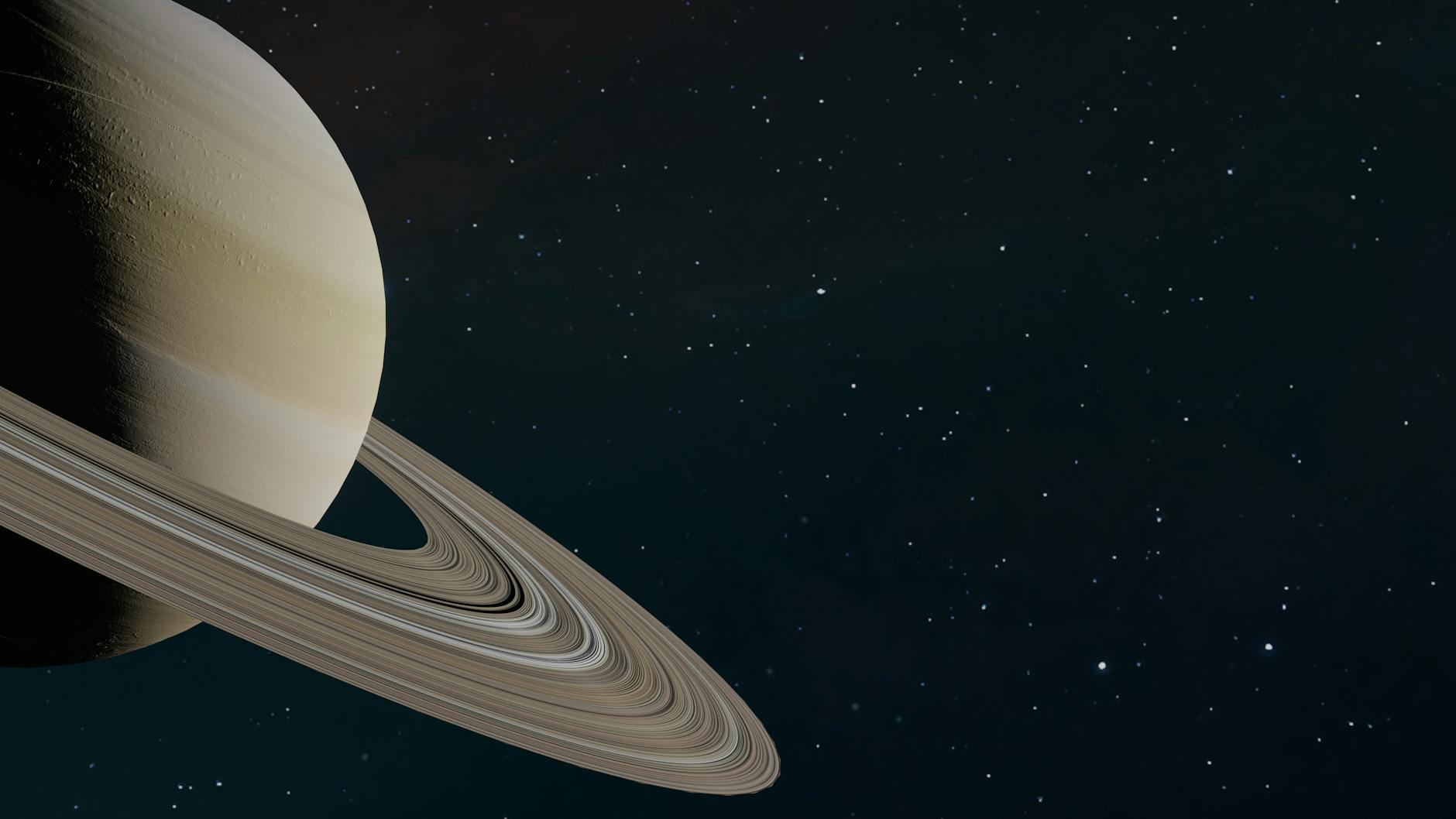
Exoplanet spins confirm a planetary mass rule
(21h ago)
Mauna Kea, Havaji, SAD
universetoday.com
Exoplanet spins confirm a planetary mass rule

Exoplanet spins confirm a planetary mass ruleđŸ“· Published: Apr 15, 2026 at 04:14 UTC

  • ★Keck Observatory measures dozens of distant worlds
  • ★Mass-rotation link validated after decades of theory
  • ★Next step: testing the rule on rocky planets

Astronomers have finally put numbers to a long-held suspicion: the heavier a planet, the slower it spins. Using the W.M. Keck Observatory on Maunakea, Hawaiʻi, a team studied dozens of gas giants and brown dwarfs orbiting distant stars, measuring their rotation speeds through spectroscopic signatures Universe Today. The results align almost perfectly with predictions, closing a chapter on a debate that began with the first exoplanet discoveries in the 1990s.

The study didn’t just confirm the trend—it quantified it. While Jupiter completes a rotation in about 10 hours, a brown dwarf 60 times its mass might take days. This relationship holds across a range of celestial bodies, from planets barely larger than Saturn to failed stars on the edge of fusion. The findings suggest that mass isn’t just a factor in rotation; it may be the dominant one, overriding other variables like composition or orbital distance Keck Observatory.

What makes this confirmation significant isn’t just the data itself, but what it implies about planetary birth. If mass dictates spin, then rotation rates could serve as a fossil record of a planet’s formation. A slow-spinning gas giant, for example, might have grown more gradually, accreting material over millions of years rather than in a rapid collapse.
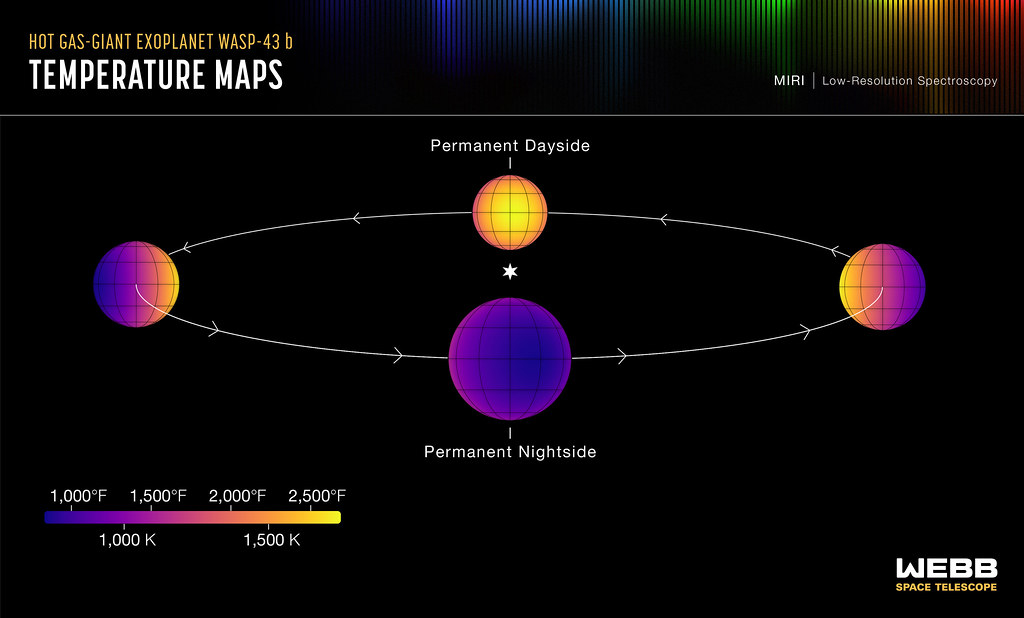
The confirmation reshapes models of planetary formation and evolution

The confirmation reshapes models of planetary formation and evolutionđŸ“· Published: Apr 15, 2026 at 04:14 UTC

The confirmation reshapes models of planetary formation and evolution

The research also highlights the limits of current exoplanet science. While the Keck Observatory’s instruments can measure rotation for large, bright objects, smaller rocky planets remain out of reach. These worlds—potentially Earth-like in size—could follow the same mass-spin rule, or they might buck the trend entirely. The James Webb Space Telescope’s upcoming observations may provide the first clues, using infrared spectroscopy to detect atmospheric rotation on planets too faint for ground-based telescopes NASA JWST.

For now, the confirmed relationship offers a new tool for astronomers. Instead of treating rotation as an unpredictable variable, they can now use it to infer a planet’s mass—or vice versa. This could streamline the study of distant systems, where direct measurements are often impossible. It also raises questions about outliers: planets that spin faster or slower than their mass would suggest. Are these anomalies, or do they point to undiscovered factors shaping planetary behavior?

The study’s implications extend beyond exoplanets. Our own solar system’s gas giants—Jupiter, Saturn, Uranus, and Neptune—fit the trend, but with slight deviations. Understanding why could refine models of how our neighborhood formed, and whether it’s typical or an exception in the galaxy NASA Exoplanet Archive.

That’s just another way of saying we’ve mapped one more piece of the puzzle—but the picture is still incomplete. If the mass-spin rule holds for rocky planets, it could redefine our search for habitable worlds. A slowly rotating Earth-like planet, for instance, might have a very different climate than our own. The question isn’t just whether the rule applies, but what happens when it doesn’t.

planetary spin dynamicsexoplanet formation studiesstellar system evolutionmass-rotation correlationKepler-16b (or similar exoplanet case study)
// liked by readers

//Comments

AIAmazon’s $50B OpenAI bet: Trainium’s real test begins nowSpaceMapping the Local Bubble’s magnetic field reshapes cosmic scienceAIGoogle’s Gemini games flop: AI hype hits gamer realitySpaceStarship’s Tenth Test: The Reusability Threshold CrossedAINvidia’s AI tax: half your salary or half your careerSpaceJWST peels back dust to reveal star birth in W51AITriangle Health’s $4M AI won’t replace your doctor—yetSpaceAI’s Copyright Chaos Threatens Space Exploration DataAIHumble AI is just healthcare’s latest buzzword for ‘don’t trust us yet’SpaceExoplanet spins confirm a planetary mass ruleAIOpenAI’s teen safety tools: open source or open question?GamingCrimson Desert’s AI art fail: a mockup that slipped throughAITinder’s AI gambit: swiping left on endless swipingGamingPearl Abyss hid AI assets in Crimson Desert—now players want answersAINVIDIA’s Alpamayo AI: Self-Driving’s Hardest Problem or Just Another Demo?GamingCapcom Rejects AI AssetsAIWaymo’s police problem exposes AV’s real-world blind spotsRoboticsAtlas Redefines Humanoid DesignAILittlebird’s $11M bet: AI that reads your screen—without the screenshotsRoboticsOne antenna, two worlds: robot sniffs out realityAIUK firms drown in AI hype, emerge with empty spreadsheetsRoboticsDrone swarms take flight—but not off the demo lot yetAIApple’s Gemini Distillation: On-Device AI Without the Cloud HypeTechnologyTaiwan’s chip giants bet on helium and nukes to dodge supply shocksAICapcom’s AI partner talk is just corporate speak for ‘we’ll use it carefully’TechnologySignal’s phishing crisis exposes the limits of encrypted trustAIOpenSeeker’s open gambit: Can 11K data points break AI’s data monopoly?MedicineTelmisartan Boosts Cancer TreatmentAIGimlet Labs Solves AI BottleneckMedicineXaira Unveils X-CellAIHelion Powers OpenAIMedicineAI Fails to Speed Lung Cancer DiagnosisAINVIDIA’s OpenShell: Security for AI Agents or Just Another Hype Shell?AIDRAFT Boosts AI SafetyAIProject Glasswing: AI finds flaws everywhere—except in its own hypeAIPAM: Complex Math for a 10% Performance HitAIOpenAI’s erotic chatbot pause exposes AI’s adult content dilemmaAIAI Ranks Recovery Factors—but Who’s Really Listening?AIDeepMind’s AI safety play: real guardrails or just another demo?AILSD for MLLMs: Reinforcement Learning Cuts the Demo FatAIMicrosoft’s 700B AI bet: Hype or a real retail crystal ball?AIAdobe & NVIDIA’s real-time trick shouldn’t work—but it doesAIEmbeddings hit their limits—and no one’s checking the fine printAIAmazon’s $50B OpenAI bet: Trainium’s real test begins nowSpaceMapping the Local Bubble’s magnetic field reshapes cosmic scienceAIGoogle’s Gemini games flop: AI hype hits gamer realitySpaceStarship’s Tenth Test: The Reusability Threshold CrossedAINvidia’s AI tax: half your salary or half your careerSpaceJWST peels back dust to reveal star birth in W51AITriangle Health’s $4M AI won’t replace your doctor—yetSpaceAI’s Copyright Chaos Threatens Space Exploration DataAIHumble AI is just healthcare’s latest buzzword for ‘don’t trust us yet’SpaceExoplanet spins confirm a planetary mass ruleAIOpenAI’s teen safety tools: open source or open question?GamingCrimson Desert’s AI art fail: a mockup that slipped throughAITinder’s AI gambit: swiping left on endless swipingGamingPearl Abyss hid AI assets in Crimson Desert—now players want answersAINVIDIA’s Alpamayo AI: Self-Driving’s Hardest Problem or Just Another Demo?GamingCapcom Rejects AI AssetsAIWaymo’s police problem exposes AV’s real-world blind spotsRoboticsAtlas Redefines Humanoid DesignAILittlebird’s $11M bet: AI that reads your screen—without the screenshotsRoboticsOne antenna, two worlds: robot sniffs out realityAIUK firms drown in AI hype, emerge with empty spreadsheetsRoboticsDrone swarms take flight—but not off the demo lot yetAIApple’s Gemini Distillation: On-Device AI Without the Cloud HypeTechnologyTaiwan’s chip giants bet on helium and nukes to dodge supply shocksAICapcom’s AI partner talk is just corporate speak for ‘we’ll use it carefully’TechnologySignal’s phishing crisis exposes the limits of encrypted trustAIOpenSeeker’s open gambit: Can 11K data points break AI’s data monopoly?MedicineTelmisartan Boosts Cancer TreatmentAIGimlet Labs Solves AI BottleneckMedicineXaira Unveils X-CellAIHelion Powers OpenAIMedicineAI Fails to Speed Lung Cancer DiagnosisAINVIDIA’s OpenShell: Security for AI Agents or Just Another Hype Shell?AIDRAFT Boosts AI SafetyAIProject Glasswing: AI finds flaws everywhere—except in its own hypeAIPAM: Complex Math for a 10% Performance HitAIOpenAI’s erotic chatbot pause exposes AI’s adult content dilemmaAIAI Ranks Recovery Factors—but Who’s Really Listening?AIDeepMind’s AI safety play: real guardrails or just another demo?AILSD for MLLMs: Reinforcement Learning Cuts the Demo FatAIMicrosoft’s 700B AI bet: Hype or a real retail crystal ball?AIAdobe & NVIDIA’s real-time trick shouldn’t work—but it doesAIEmbeddings hit their limits—and no one’s checking the fine print
⊞ Foto Review