
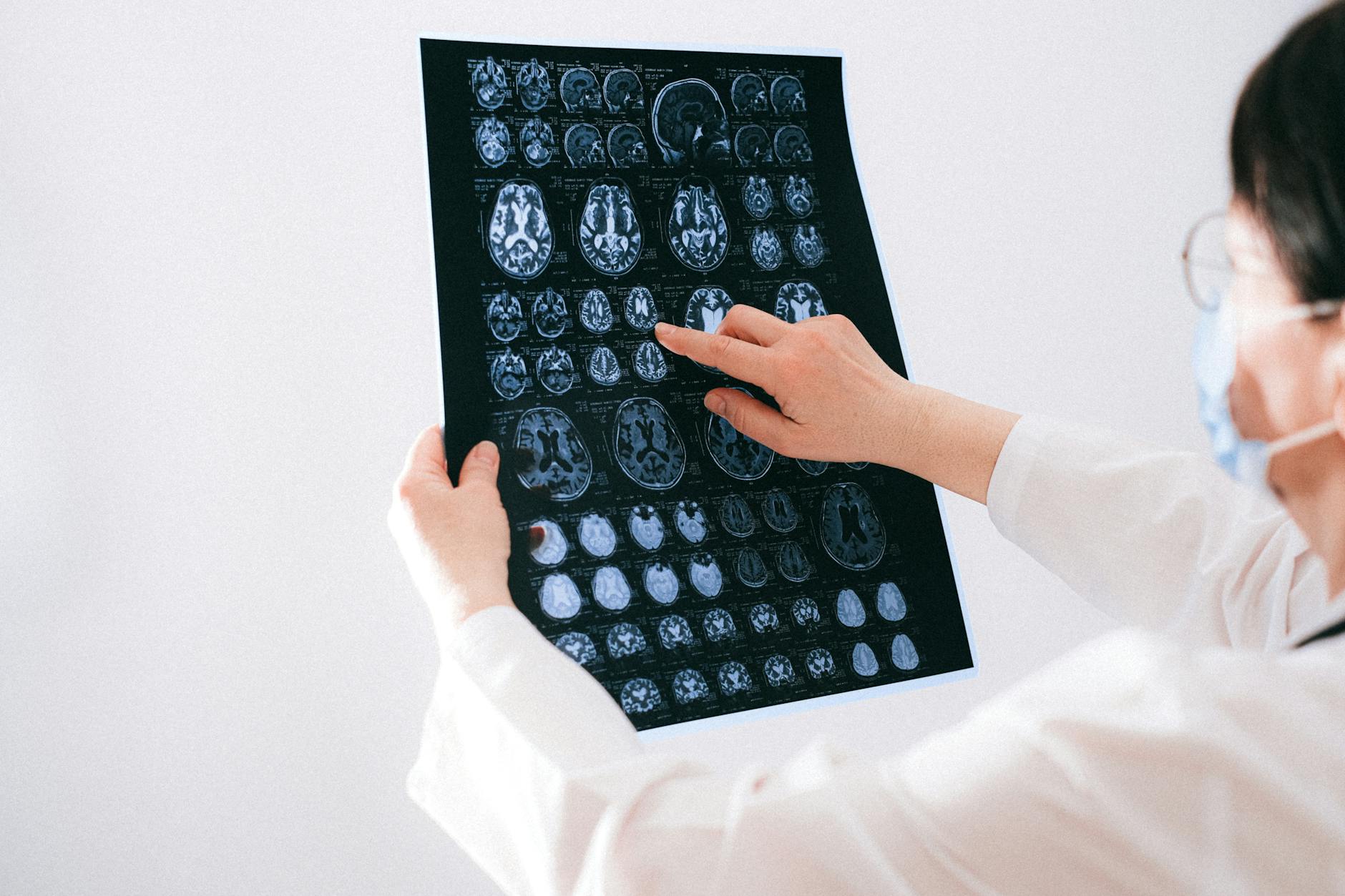
Parkinson’s trial shows promise—but not a cure📷 Published: Apr 14, 2026 at 20:13 UTC
- ★First human trial of LRRK2-targeting BIIB094
- ★Dose-dependent reductions in LRRK2 and Rab10
- ★Phase 1 safety data, not efficacy proof
A phase 1 randomized controlled trial has delivered the first human evidence that BIIB094, an antisense oligonucleotide targeting LRRK2, can safely engage its biological target in Parkinson’s disease. Published in Nature Medicine on 24 March 2026, the study found dose-dependent reductions in cerebrospinal fluid levels of LRRK2 and phosphorylated Rab10, a marker of LRRK2 activity. These results confirm the drug’s mechanism of action—an essential milestone for any experimental therapy—but stop far short of proving clinical benefit.
The trial’s primary goal was to assess safety and tolerability, and on that front, BIIB094 performed as hoped. Participants experienced no serious adverse events attributed to the treatment, though the study’s small size and short duration limit conclusions about long-term risks. What the data don’t show is equally critical: whether lowering LRRK2 levels translates to slower disease progression, improved motor function, or better quality of life for patients. Phase 1 trials are designed to answer pharmacological questions, not clinical ones, and this study is no exception.
Antisense oligonucleotides like BIIB094 represent a growing class of precision therapies for neurodegenerative diseases, but their path to the clinic is notoriously slow. The FDA’s approval of nusinersen for spinal muscular atrophy in 2016 marked a turning point, yet subsequent candidates have struggled with delivery challenges and variable efficacy. For Parkinson’s, where LRRK2 mutations account for only a fraction of cases, the therapeutic potential of BIIB094 remains narrowly focused—even if the science behind it is sound.
A small step forward with caveats that matter📷 Published: Apr 14, 2026 at 20:13 UTC
A small step forward with caveats that matter
The study’s limitations are worth underscoring. The trial did not disclose the number of participants, dosing regimens, or specific safety outcomes beyond broad tolerability, leaving key questions unanswered. Without these details, it’s impossible to gauge how robust the findings are or whether they can be replicated in larger cohorts. Moreover, the absence of long-term data means we don’t know if the observed reductions in LRRK2 and Rab10 persist over time—or if they matter at all for patients’ daily lives.
For now, BIIB094’s significance lies in what it doesn’t claim. Unlike press releases that often blur the line between promising results and proven therapies, this trial adheres to the strict boundaries of early-stage research. The real bottleneck isn’t the science of LRRK2 inhibition but the gap between target engagement and tangible clinical outcomes. That gap is where most experimental drugs fail, and BIIB094 is no exception.
The next steps are clear: larger trials with longer follow-up periods, diverse patient populations, and measurable clinical endpoints. Until then, patients and clinicians should view BIIB094 as an encouraging signal—not a solution. The Michael J. Fox Foundation, a major funder of LRRK2 research, has emphasized the need for cautious optimism, noting that even incremental progress in Parkinson’s is worth celebrating. But celebration, in this case, must be tempered by the reality of drug development: what works in a lab or a small trial rarely translates seamlessly to the clinic.
For patients, this trial changes little in the short term. There are no new treatment options, no guarantees of future success, and no reason to expect BIIB094 to reach the market anytime soon. What it does offer is a roadmap for future research, one that prioritizes rigorous science over speed. If subsequent trials replicate these findings and demonstrate clinical benefit, BIIB094 could join a small but growing arsenal of precision therapies for Parkinson’s.