
Drones Swap Jet Fuel for Green Hydrogen—But Will It Scale?
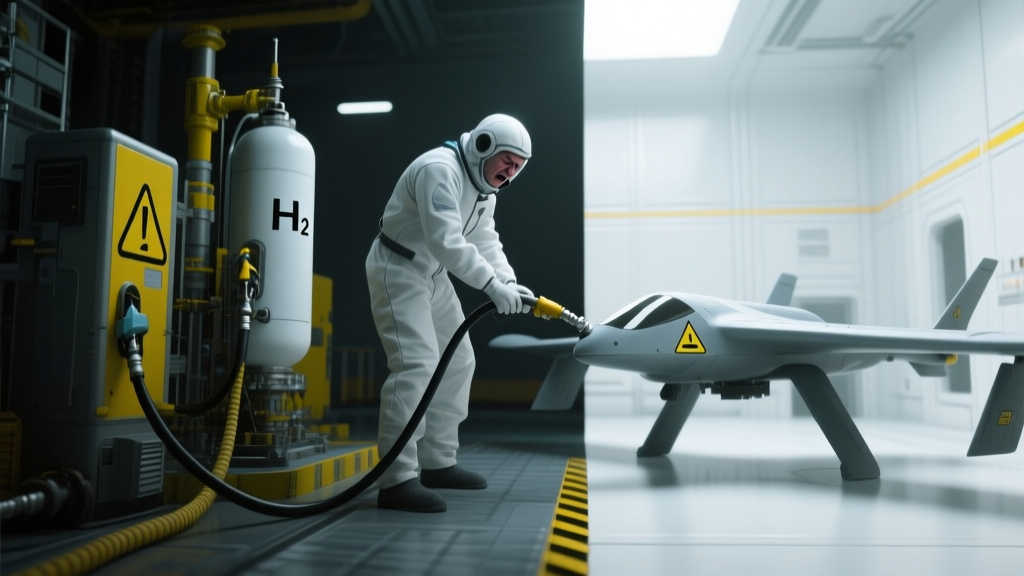
A photorealistic 3D render of a Doosan Mobility Innovation combat drone in mid-air, with a subtle trail of water vapor behind it, set against a cool,📷 Photo by Tech&Space
- ★Military drones testing hydrogen fuel cells
- ★Demo flights hide ground logistics hurdles
- ★Real-world deployment bottlenecks remain
The U.S. Department of Defense’s Defense Innovation Unit has quietly begun flight-testing combat drones powered by green hydrogen fuel cells, replacing traditional kerosene-based propulsion. Early prototypes from companies like Intelligent Energy and Doosan Mobility Innovation demonstrate flight times exceeding six hours—nearly double that of battery-electric drones—while producing only water vapor as exhaust CleanTechnica.
Yet the glossy demo reels omit the ground reality: hydrogen’s cryogenic storage requirements and the absence of battlefield-ready refueling stations. While the technology promises stealth advantages and zero carbon emissions, the logistical tail stretches far beyond what polished choreography suggests.
Current prototypes rely on pressurized tanks that demand specialized handling, a non-trivial challenge for forward-deployed military units. The shift from lab to field is not a question of if the drone can fly, but whether the supporting infrastructure can keep pace without becoming a vulnerability itself.
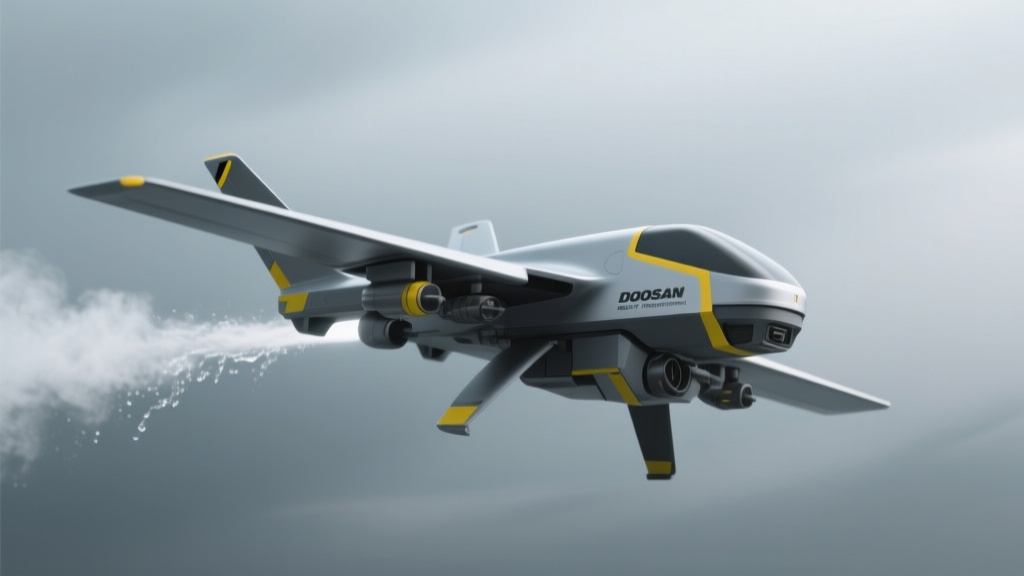
A researcher in a white clean-room environment, surrounded by warning-yellow accents and H₂ refueling equipment, struggles to connect a fuel hose to📷 Photo by Tech&Space
The hardware limit nobody mentions in the demo: the H₂ refueling infrastructure
The real-world use case for hydrogen-powered drones isn’t merely about endurance—it’s about enabling silent, long-duration surveillance or strike missions in contested airspace. Unlike battery-operated drones, which require frequent recharging, hydrogen fuel cells could theoretically extend operational reach, particularly in remote or denied environments.
However, the hardware limits are stark. Hydrogen’s low energy density by volume means that even modest payloads—say, a high-resolution camera or a small munitions package—could force trade-offs in tank size and flight duration. And while green hydrogen production is scaling, the military’s demand would require a dedicated pipeline of renewable energy inputs, a non-trivial ask for expeditionary forces.
Beyond the military, civilian applications like border patrol or pipeline inspection face similar friction: Who bears the cost of decentralized hydrogen production? How do you certify a fuel cell drone for civilian airspace when the refueling ecosystem barely exists? The answers aren’t in the demo videos, but they’re the only questions that matter for actual deployment.
That’s just another way of saying: The demo is finished, but the logistics are just beginning. Marketers love to tout ‘zero emissions’ as the headline, yet somehow never mention the diesel generators required to produce the hydrogen in the first place.