
Crimson Desert’s Story Is a Mess—But Players Love the Side Quests
Source — Source📷 Source: Web
- ★Main story feels like disjointed patchwork
- ★Side quests praised as surprisingly strong
- ★Years of development didn’t fix narrative gaps
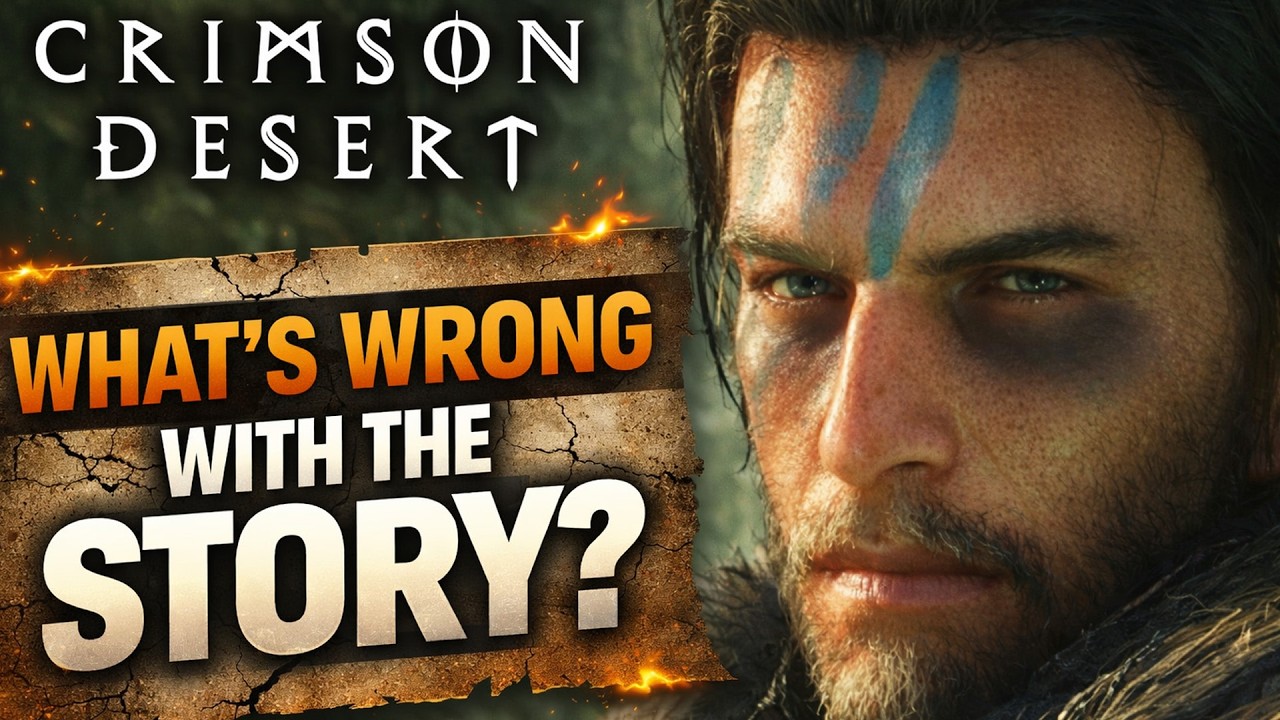
Crimson Desert’s story isn’t just confusing—it’s a Frankenstein’s monster of compelling ideas stitched together without a unifying pulse. According to Xbox’s breakdown, the game’s narrative threads pull in wildly different directions: political intrigue here, personal vendettas there, all while the worldbuilding strains to hold it together. It’s the kind of disjointedness that makes you wonder how a title with years of development (and PlatinumGames’ pedigree lurking in the shadows) could ship with such a glaring blind spot.
Yet here’s the twist: players aren’t rage-quitting. Far from it. The side content—those quest chains you’d normally skip in a hurry to ‘get to the good stuff’—is where Crimson Desert actually delivers. Reddit threads and Steam forums light up with praise for the depth of optional missions, calling them ‘better written than the main plot’ and ‘the real reason to keep playing.’ For a game that’s supposed to be about its epic, cinematic campaign, that’s not just ironic—it’s a full-blown role reversal.
The community pulse here is telling. Players aren’t just tolerating the story’s flaws; they’re actively working around them. Speedrunners joke about ‘main quest bingo’ (how many plot holes you can spot before the next cutscene), while lore hunters dive into side arcs to salvage coherence. It’s a strange kind of success: a game where the B-story steals the show, and nobody’s complaining too loudly about it.
Crimson Desert’s Story Is a Mess—But Players Love the Side Quests📷 Source: Web
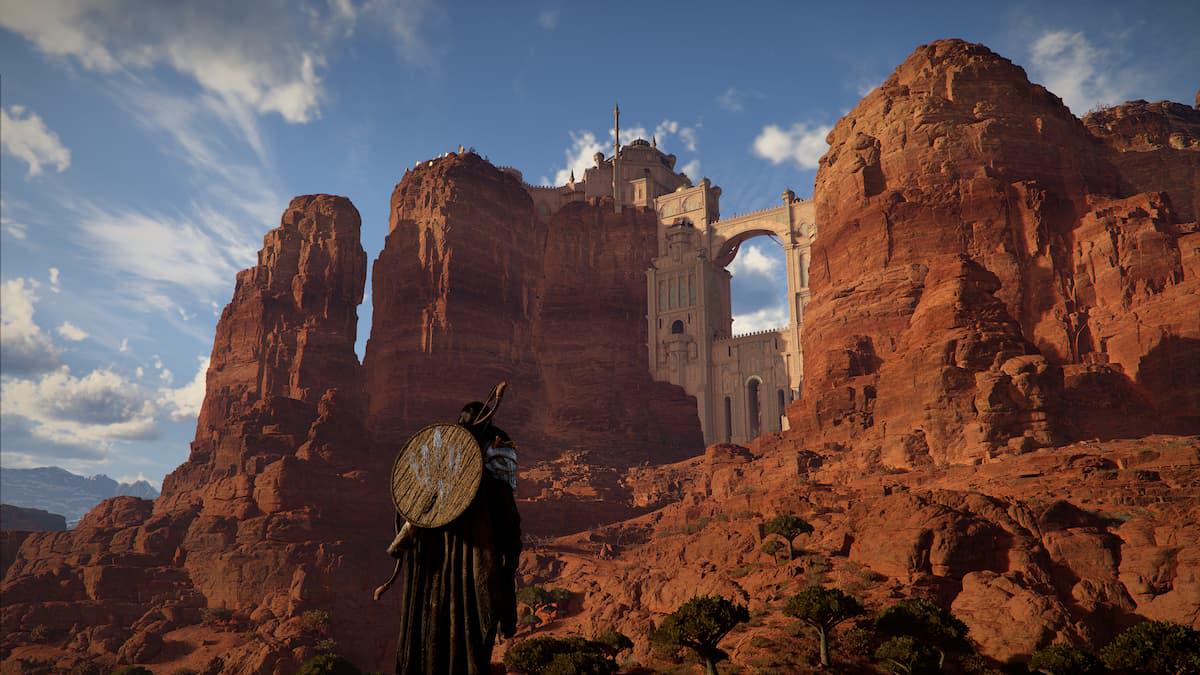
A AAA game where the filler outshines the main course
So what went wrong? The most charitable read is that Crimson Desert’s development cycle—reportedly stretched thin by shifts in leadership and scope—left the main narrative as a casualty of ambition. The side quests, often farmed out to smaller teams or written later in production, ended up tighter simply because they had to be. That’s not an excuse, but it is a pattern: see Cyberpunk 2077’s Night City or Final Fantasy XVI’s side characters outshining the protagonists.
The real bottleneck isn’t the writing talent—it’s the expectation that a AAA game’s main story should feel like a blockbuster movie. Crimson Desert’s side content thrives because it’s allowed to be gamey: reactive, player-driven, and unburdened by cinematic pretensions. The main plot, meanwhile, buckles under the weight of trying to be everything at once. Players on ResetEra note how the disjointedness actually works in open-world games like Elden Ring, where ambiguity is part of the charm—but here, it just feels like missed stitches.
For all the noise about the story’s flaws, the actual signal is that Crimson Desert’s longevity might hinge on how well it leans into its strengths. If the next patch doubles down on side content (or, heaven forbid, fixes the main plot with a ‘Director’s Cut’), players will likely cheer. But if the studio insists on pretending the narrative is fine? Well, the community’s already voted with their time—and their time’s spent on the quests that don’t make them groan.
In other words, Crimson Desert might’ve accidentally invented the ultimate ‘skip the cutscenes’ experience. The real tragedy? That’s not even a bug—it’s a feature players are thanking the devs for.