
Engineered Immune Cells Target Solid Tumors via Metabolites

A translucent spherical tumor mass exuding faint luminous chemical trails into surrounding dark tissue, with scattered immune cells turning to follow📷 Photo by Tech&Space
- ★New approach targets cancer cell byproducts
- ★Differs fundamentally from CAR T-cell therapy
- ★Research-stage only, not yet clinical
Solid tumors have long frustrated immunotherapy's promise. While CAR T-cell therapy has transformed treatment for certain blood cancers, its success against solid tumors has been notably limited. A new engineering approach attempts to bridge this gap by having immune cells recognize cancer metabolites — the chemical byproducts tumors produce — rather than surface proteins. According to GEN News, researchers have developed a method that engineers immune cells to detect these metabolites and trigger migration toward solid tumors. This represents a fundamental departure from how CAR T-cell therapy works, which relies on recognizing proteins tethered to the cancer cell surface. The distinction matters clinically. Surface proteins vary widely between patients and tumor types, and solid tumors often lack the consistent markers that make blood cancers more tractable targets. By targeting metabolites instead, this approach attempts to exploit what may be a more universal vulnerability across solid tumor types. Early signals suggest the method could enhance immunotherapy for solid tumors, though the evidence remains firmly in the research stage.
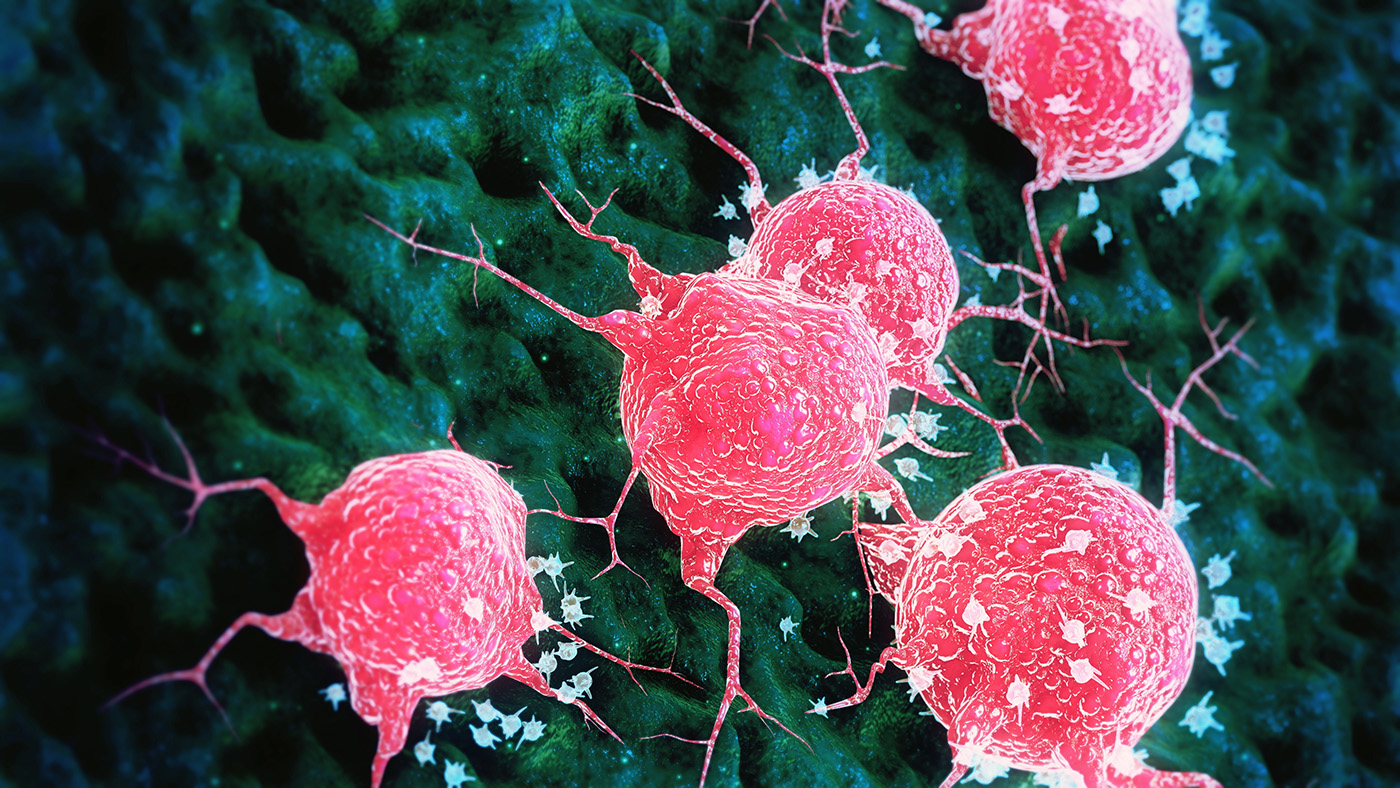
An interesting mechanism in early research — with real limits📷 Photo by Tech&Space
An interesting mechanism in early research — with real limits
What we know is limited but specific. The approach successfully engineers immune cells to recognize cancer byproducts and migrate toward tumors in controlled settings. What we don't know is considerably more extensive: whether this translates to human patients, which tumor types respond best, whether metabolite signals are strong enough in actual tumors, and what side effects might emerge when immune cells are redirected this way. The clinical relevance for patients today is essentially zero — this is laboratory research, not an approved therapy. There's speculation that the approach may offer an alternative or complement to CAR T-cell therapy for solid tumors, but that remains conjecture until clinical trials provide data. The regulatory status is pre-clinical, meaning years of testing would be required before any patient access. For all the noise around novel immunotherapy approaches, the actual story is quieter: one more mechanism under investigation, one more potential tool against solid tumors — but nothing patients or clinicians can use today.
The critical question now is whether metabolite concentrations in actual patient tumors provide a strong enough signal to guide immune cells effectively. Without that confirmation in human studies, this remains an elegant idea searching for clinical proof.