
Back to Home
Medicinedb#2560

Whole-genome sequencing delivers diagnoses—with limits
(1d ago)
Stockholm, Sweden
medicalxpress.com
Whole-genome sequencing delivers diagnoses—with limits

Whole-genome sequencing delivers diagnoses—with limits📷 Published: Apr 14, 2026 at 12:21 UTC

  • 23% diagnosis rate in 15,000 rare-disease genomes
  • Routine sequencing at Karolinska, but not everywhere
  • Study flags gaps in genetic interpretation tools

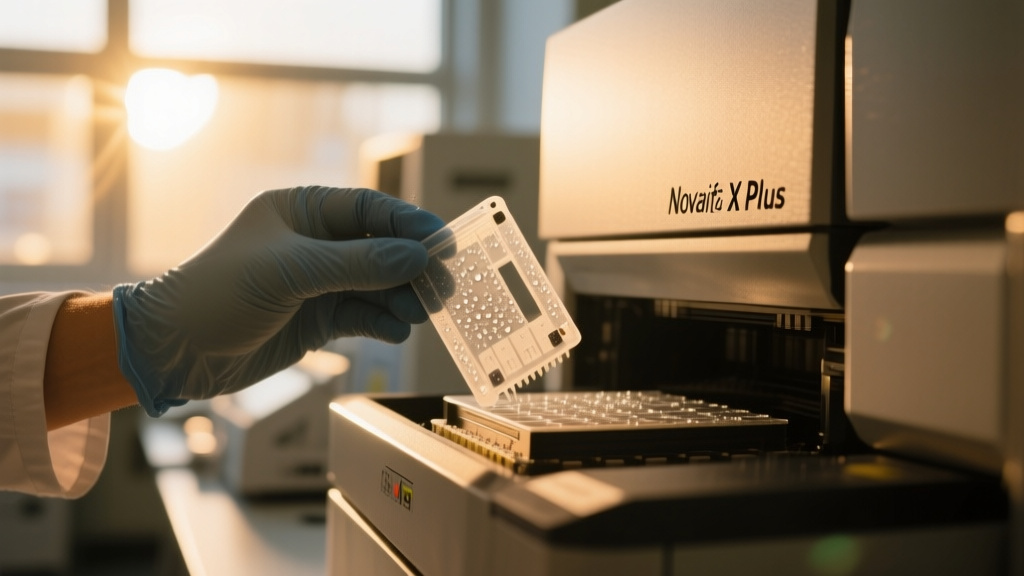
The integration of whole-genome sequencing (WGS) into routine diagnostics for rare diseases is no longer theoretical. A collaboration between Karolinska Institutet, Karolinska University Hospital, and SciLifeLab has sequenced the genomes of more than 15,000 patients, yielding a genetic diagnosis for 23%—a rate that aligns with earlier observational studies but remains far from universal. Published in Genome Medicine, the findings confirm that WGS can identify elusive genetic causes, but they also reveal the technology’s current ceiling: most patients still leave without answers.

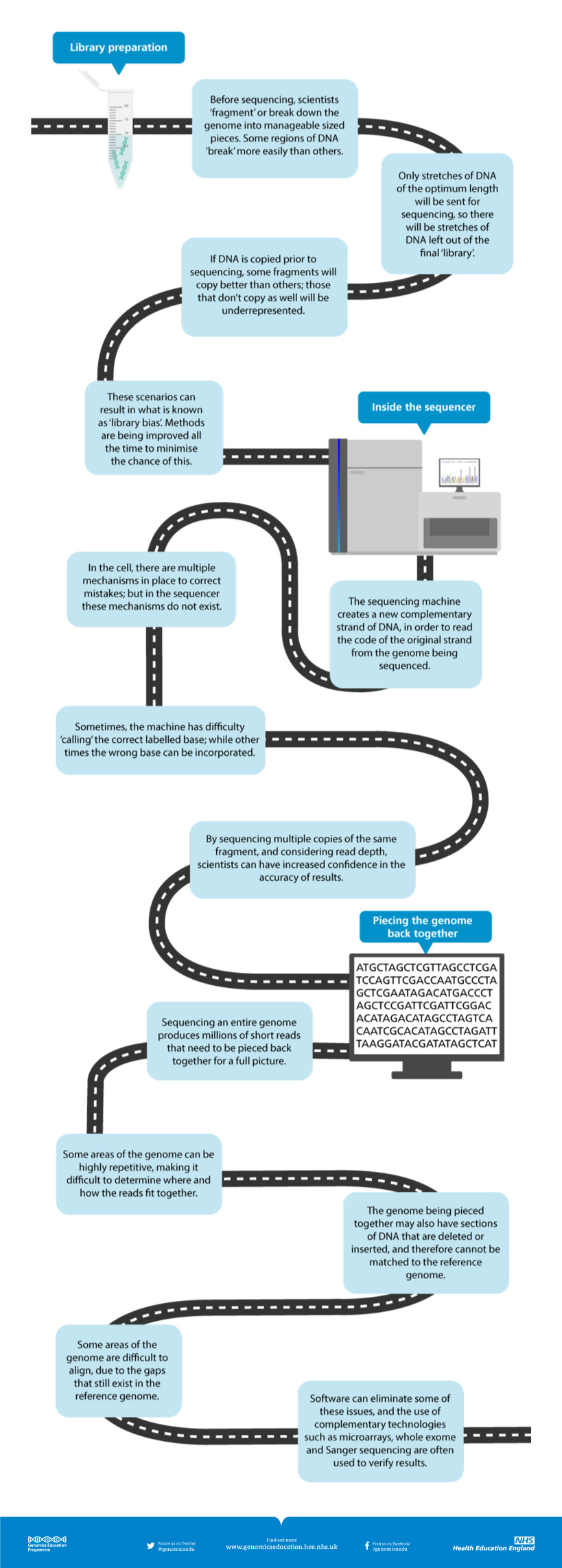
The study’s design matters. Unlike targeted gene panels, WGS scans all 3 billion base pairs, increasing the odds of spotting rare or novel variants. Yet even this exhaustive approach delivered diagnoses for fewer than one in four patients. The remaining 77% highlight a critical bottleneck: not all genetic variations are well-understood, and not all can be linked to disease with today’s tools.

This isn’t a failure of sequencing—it’s a limit of interpretation. The study authors emphasize that while WGS expands diagnostic reach, its effectiveness hinges on reference databases, clinical expertise, and the inherent complexity of rare diseases, many of which involve multiple genes or non-coding regions still poorly characterized.
A large study—with real limits

A large study—with real limits📷 Published: Apr 14, 2026 at 12:21 UTC

A large study—with real limits

For patients, the implications are cautiously positive. A 23% diagnosis rate means thousands now have a molecular explanation for symptoms that once defied classification—enabling tailored treatments, reproductive planning, or simply an end to diagnostic odysseys. But the flip side is stark: three-quarters still lack answers, and even a confirmed genetic cause doesn’t always translate to a therapy. Rare diseases often have no approved drugs, and WGS doesn’t bridge that gap.

The study also exposes disparities in access. Karolinska’s program is a model, but most hospitals worldwide lack the infrastructure for routine WGS. Cost, data storage, and the need for specialized genetic counselors remain barriers. Meanwhile, the 23% figure may overstate real-world performance; Karolinska is a tertiary referral center, meaning its patient pool is pre-filtered for likely genetic cases.

What’s missing from the headlines? The study doesn’t compare WGS to cheaper, faster methods like exome sequencing or gene panels—leaving open whether its higher diagnostic yield justifies the resource investment. And while the data are robust, they’re observational: no randomized trials here, just a snapshot of what happens when a well-funded system deploys cutting-edge tools.

In other words, this isn’t a breakthrough—it’s a benchmark. The 23% diagnosis rate reflects both the power of WGS and the vast unknowns that remain. For every patient who gets answers, three do not, and the study doesn’t explain why some variants are diagnosable while others aren’t.

Genomic DiagnosisRare DiseasesClinical Genomics
// liked by readers

//Comments

AIAmazon’s $50B OpenAI bet: Trainium’s real test begins nowSpaceMapping the Local Bubble’s magnetic field reshapes cosmic scienceAIGoogle’s Gemini games flop: AI hype hits gamer realitySpaceStarship’s Tenth Test: The Reusability Threshold CrossedAINvidia’s AI tax: half your salary or half your careerSpaceJWST peels back dust to reveal star birth in W51AITriangle Health’s $4M AI won’t replace your doctor—yetSpaceAI’s Copyright Chaos Threatens Space Exploration DataAIHumble AI is just healthcare’s latest buzzword for ‘don’t trust us yet’GamingCrimson Desert’s AI art fail: a mockup that slipped throughAIOpenAI’s teen safety tools: open source or open question?GamingPearl Abyss hid AI assets in Crimson Desert—now players want answersAITinder’s AI gambit: swiping left on endless swipingRoboticsAtlas Redefines Humanoid DesignAINVIDIA’s Alpamayo AI: Self-Driving’s Hardest Problem or Just Another Demo?RoboticsOne antenna, two worlds: robot sniffs out realityAIWaymo’s police problem exposes AV’s real-world blind spotsRoboticsDrone swarms take flight—but not off the demo lot yetAILittlebird’s $11M bet: AI that reads your screen—without the screenshotsTechnologyTaiwan’s chip giants bet on helium and nukes to dodge supply shocksAIUK firms drown in AI hype, emerge with empty spreadsheetsMedicineTelmisartan Boosts Cancer TreatmentAIApple’s Gemini Distillation: On-Device AI Without the Cloud HypeMedicineXaira Unveils X-CellAICapcom’s AI partner talk is just corporate speak for ‘we’ll use it carefully’AIOpenSeeker’s open gambit: Can 11K data points break AI’s data monopoly?AIGimlet Labs Solves AI BottleneckAIHelion Powers OpenAIAINVIDIA’s OpenShell: Security for AI Agents or Just Another Hype Shell?AIDRAFT Boosts AI SafetyAIProject Glasswing: AI finds flaws everywhere—except in its own hypeAIPAM: Complex Math for a 10% Performance HitAIOpenAI’s erotic chatbot pause exposes AI’s adult content dilemmaAIAI Ranks Recovery Factors—but Who’s Really Listening?AIDeepMind’s AI safety play: real guardrails or just another demo?AIAmazon’s $50B OpenAI bet: Trainium’s real test begins nowSpaceMapping the Local Bubble’s magnetic field reshapes cosmic scienceAIGoogle’s Gemini games flop: AI hype hits gamer realitySpaceStarship’s Tenth Test: The Reusability Threshold CrossedAINvidia’s AI tax: half your salary or half your careerSpaceJWST peels back dust to reveal star birth in W51AITriangle Health’s $4M AI won’t replace your doctor—yetSpaceAI’s Copyright Chaos Threatens Space Exploration DataAIHumble AI is just healthcare’s latest buzzword for ‘don’t trust us yet’GamingCrimson Desert’s AI art fail: a mockup that slipped throughAIOpenAI’s teen safety tools: open source or open question?GamingPearl Abyss hid AI assets in Crimson Desert—now players want answersAITinder’s AI gambit: swiping left on endless swipingRoboticsAtlas Redefines Humanoid DesignAINVIDIA’s Alpamayo AI: Self-Driving’s Hardest Problem or Just Another Demo?RoboticsOne antenna, two worlds: robot sniffs out realityAIWaymo’s police problem exposes AV’s real-world blind spotsRoboticsDrone swarms take flight—but not off the demo lot yetAILittlebird’s $11M bet: AI that reads your screen—without the screenshotsTechnologyTaiwan’s chip giants bet on helium and nukes to dodge supply shocksAIUK firms drown in AI hype, emerge with empty spreadsheetsMedicineTelmisartan Boosts Cancer TreatmentAIApple’s Gemini Distillation: On-Device AI Without the Cloud HypeMedicineXaira Unveils X-CellAICapcom’s AI partner talk is just corporate speak for ‘we’ll use it carefully’AIOpenSeeker’s open gambit: Can 11K data points break AI’s data monopoly?AIGimlet Labs Solves AI BottleneckAIHelion Powers OpenAIAINVIDIA’s OpenShell: Security for AI Agents or Just Another Hype Shell?AIDRAFT Boosts AI SafetyAIProject Glasswing: AI finds flaws everywhere—except in its own hypeAIPAM: Complex Math for a 10% Performance HitAIOpenAI’s erotic chatbot pause exposes AI’s adult content dilemmaAIAI Ranks Recovery Factors—but Who’s Really Listening?AIDeepMind’s AI safety play: real guardrails or just another demo?
⊞ Foto Review