
Back to Home
Medicinedb#760

Blueprint Targets Rare Pediatric Gene Therapy Delays

(2w ago)
Menlo Park, CA
Nature Medicine
Blueprint Targets Rare Pediatric Gene Therapy Delays

Blueprint Targets Rare Pediatric Gene Therapy DelaysđŸ“· Published: Mar 26, 2026 at 09:16 UTC

  • ★Nature Medicine outlines pediatric gene therapy framework
  • ★Blueprint addresses rare disease approval bottlenecks
  • ★Regulatory acceleration without compromising safety

When a child has a rare genetic disease, time is rarely on their side. A new article published in Nature Medicine proposes a structured blueprint to accelerate approvals for rare pediatric gene therapies — a potential shift in how regulators approach treatments for conditions that affect small patient populations. The paper, published online March 25, 2026, addresses a long-standing tension: how to move promising therapies through the approval pipeline faster without cutting corners on safety.

Rare pediatric diseases present unique regulatory challenges. Small patient populations make traditional randomized controlled trials difficult or impossible. The blueprint appears to offer a framework for working within these constraints rather than against them. According to available information, the proposal outlines pathways that could reduce approval timelines while maintaining rigorous evidence standards. This matters because current regulatory structures, designed for large-population drugs, often create bottlenecks for therapies targeting conditions affecting only dozens or hundreds of patients worldwide.

Readers should note the evidence grade here: this is a framework proposal published in a peer-reviewed journal — not clinical trial results, not regulatory guidance, and not yet implemented policy. The distinction is critical.
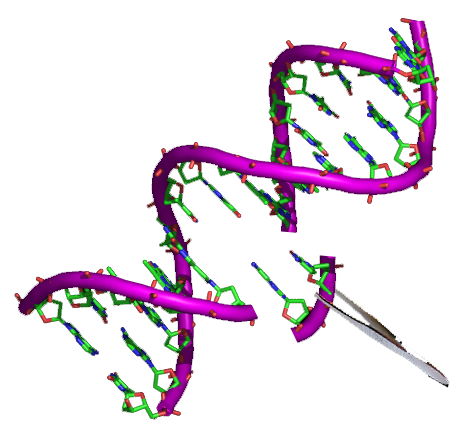
A framework proposal — not yet implemented policy

A framework proposal — not yet implemented policyđŸ“· Published: Mar 26, 2026 at 09:16 UTC

A framework proposal — not yet implemented policy

What remains unclear is how quickly regulatory bodies might adopt such recommendations. The blueprint is exactly that — a proposal. Its clinical relevance today is limited: no therapies will reach patients faster simply because this paper exists. The real signal here is the growing recognition that rare disease drug development needs regulatory structures designed for its specific challenges, not borrowed from large-population medicine.

For families waiting on experimental treatments, this research-stage framework offers no immediate relief. Implementation would require regulatory agencies like the FDA and EMA to accept new evidentiary standards — a process that typically takes years. The blueprint also raises questions about how to balance urgency with the ethical imperative to protect vulnerable pediatric populations from inadequately tested interventions.

Several unknowns remain: whether regulators will embrace alternative approval pathways, how safety monitoring would function under accelerated timelines, and whether such frameworks could apply beyond gene therapy to other rare disease treatments.

If adopted, such frameworks could meaningfully reduce the time between research breakthroughs and available treatments for rare pediatric conditions. For clinicians, this represents a potential shift in how they discuss experimental options with families.

Gene TherapyRare DiseasesPediatric MedicineRegulatory Approval
// liked by readers

//Comments

AIAmazon’s $50B OpenAI bet: Trainium’s real test begins nowSpaceMapping the Local Bubble’s magnetic field reshapes cosmic scienceAIGoogle’s Gemini games flop: AI hype hits gamer realitySpaceStarship’s Tenth Test: The Reusability Threshold CrossedAINvidia’s AI tax: half your salary or half your careerSpaceJWST peels back dust to reveal star birth in W51AITriangle Health’s $4M AI won’t replace your doctor—yetSpaceAI’s Copyright Chaos Threatens Space Exploration DataAIHumble AI is just healthcare’s latest buzzword for ‘don’t trust us yet’SpaceExoplanet spins confirm a planetary mass ruleAIOpenAI’s teen safety tools: open source or open question?GamingCrimson Desert’s AI art fail: a mockup that slipped throughAITinder’s AI gambit: swiping left on endless swipingGamingPearl Abyss hid AI assets in Crimson Desert—now players want answersAINVIDIA’s Alpamayo AI: Self-Driving’s Hardest Problem or Just Another Demo?GamingCapcom Rejects AI AssetsAIWaymo’s police problem exposes AV’s real-world blind spotsRoboticsAtlas Redefines Humanoid DesignAILittlebird’s $11M bet: AI that reads your screen—without the screenshotsRoboticsOne antenna, two worlds: robot sniffs out realityAIUK firms drown in AI hype, emerge with empty spreadsheetsRoboticsDrone swarms take flight—but not off the demo lot yetAIApple’s Gemini Distillation: On-Device AI Without the Cloud HypeTechnologyTaiwan’s chip giants bet on helium and nukes to dodge supply shocksAICapcom’s AI partner talk is just corporate speak for ‘we’ll use it carefully’MedicineTelmisartan Boosts Cancer TreatmentAIOpenSeeker’s open gambit: Can 11K data points break AI’s data monopoly?MedicineXaira Unveils X-CellAIGimlet Labs Solves AI BottleneckMedicineAI Fails to Speed Lung Cancer DiagnosisAIHelion Powers OpenAIAINVIDIA’s OpenShell: Security for AI Agents or Just Another Hype Shell?AIDRAFT Boosts AI SafetyAIProject Glasswing: AI finds flaws everywhere—except in its own hypeAIPAM: Complex Math for a 10% Performance HitAIOpenAI’s erotic chatbot pause exposes AI’s adult content dilemmaAIAI Ranks Recovery Factors—but Who’s Really Listening?AIDeepMind’s AI safety play: real guardrails or just another demo?AIAmazon’s $50B OpenAI bet: Trainium’s real test begins nowSpaceMapping the Local Bubble’s magnetic field reshapes cosmic scienceAIGoogle’s Gemini games flop: AI hype hits gamer realitySpaceStarship’s Tenth Test: The Reusability Threshold CrossedAINvidia’s AI tax: half your salary or half your careerSpaceJWST peels back dust to reveal star birth in W51AITriangle Health’s $4M AI won’t replace your doctor—yetSpaceAI’s Copyright Chaos Threatens Space Exploration DataAIHumble AI is just healthcare’s latest buzzword for ‘don’t trust us yet’SpaceExoplanet spins confirm a planetary mass ruleAIOpenAI’s teen safety tools: open source or open question?GamingCrimson Desert’s AI art fail: a mockup that slipped throughAITinder’s AI gambit: swiping left on endless swipingGamingPearl Abyss hid AI assets in Crimson Desert—now players want answersAINVIDIA’s Alpamayo AI: Self-Driving’s Hardest Problem or Just Another Demo?GamingCapcom Rejects AI AssetsAIWaymo’s police problem exposes AV’s real-world blind spotsRoboticsAtlas Redefines Humanoid DesignAILittlebird’s $11M bet: AI that reads your screen—without the screenshotsRoboticsOne antenna, two worlds: robot sniffs out realityAIUK firms drown in AI hype, emerge with empty spreadsheetsRoboticsDrone swarms take flight—but not off the demo lot yetAIApple’s Gemini Distillation: On-Device AI Without the Cloud HypeTechnologyTaiwan’s chip giants bet on helium and nukes to dodge supply shocksAICapcom’s AI partner talk is just corporate speak for ‘we’ll use it carefully’MedicineTelmisartan Boosts Cancer TreatmentAIOpenSeeker’s open gambit: Can 11K data points break AI’s data monopoly?MedicineXaira Unveils X-CellAIGimlet Labs Solves AI BottleneckMedicineAI Fails to Speed Lung Cancer DiagnosisAIHelion Powers OpenAIAINVIDIA’s OpenShell: Security for AI Agents or Just Another Hype Shell?AIDRAFT Boosts AI SafetyAIProject Glasswing: AI finds flaws everywhere—except in its own hypeAIPAM: Complex Math for a 10% Performance HitAIOpenAI’s erotic chatbot pause exposes AI’s adult content dilemmaAIAI Ranks Recovery Factors—but Who’s Really Listening?AIDeepMind’s AI safety play: real guardrails or just another demo?
⊞ Foto Review