
Robotic bronchoscopy: demo precision vs. real-world limits
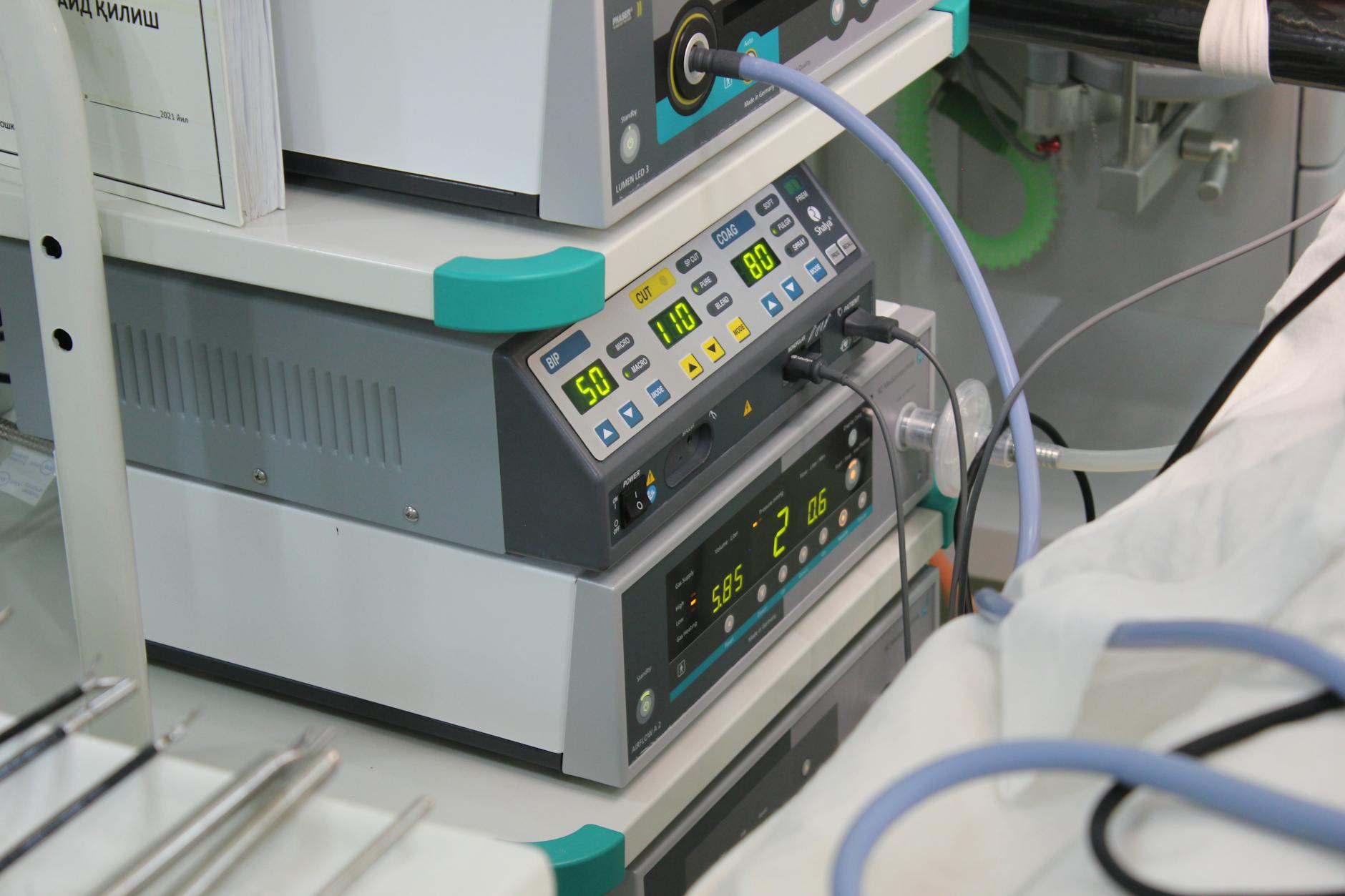
Robotic bronchoscopy: demo precision vs. real-world limits📷 Source: Web
- ★1.6M U.S. nodules yearly demand better tools
- ★Mayo Clinic study shows robotic potential
- ★Hardware constraints slow clinical adoption
Each year in the U.S., lung cancer screening flags 1.6 million nodules—most benign, yet the malignant minority claims more lives than any other cancer. For decades, physicians have relied on CT-guided biopsies or traditional bronchoscopy, both fraught with risks: pneumothorax, false negatives, and the sheer challenge of navigating the lung’s labyrinthine airways. Robotic bronchoscopy, a five-year Mayo Clinic study suggests, could offer a less invasive and more precise alternative—if it can escape the demo suite and survive the hospital floor.
The technology itself is elegant: a thin, steerable catheter equipped with vision and locating sensors, guided by a physician via a console reminiscent of surgical robotics. In controlled trials, it has reached nodules as small as 10 millimeters with sub-millimeter accuracy, a feat nearly impossible for human hands alone. MedicalXpress reports that the system’s real-time 3D mapping reduces procedure time by up to 30% compared to conventional methods. Yet, as with any robotic system, the demo video is a polished choreography—clean rooms, rested patients, engineers on standby. The question is not whether it works in the lab, but whether it works in a 3 a.m. emergency room with a patient struggling to hold still.
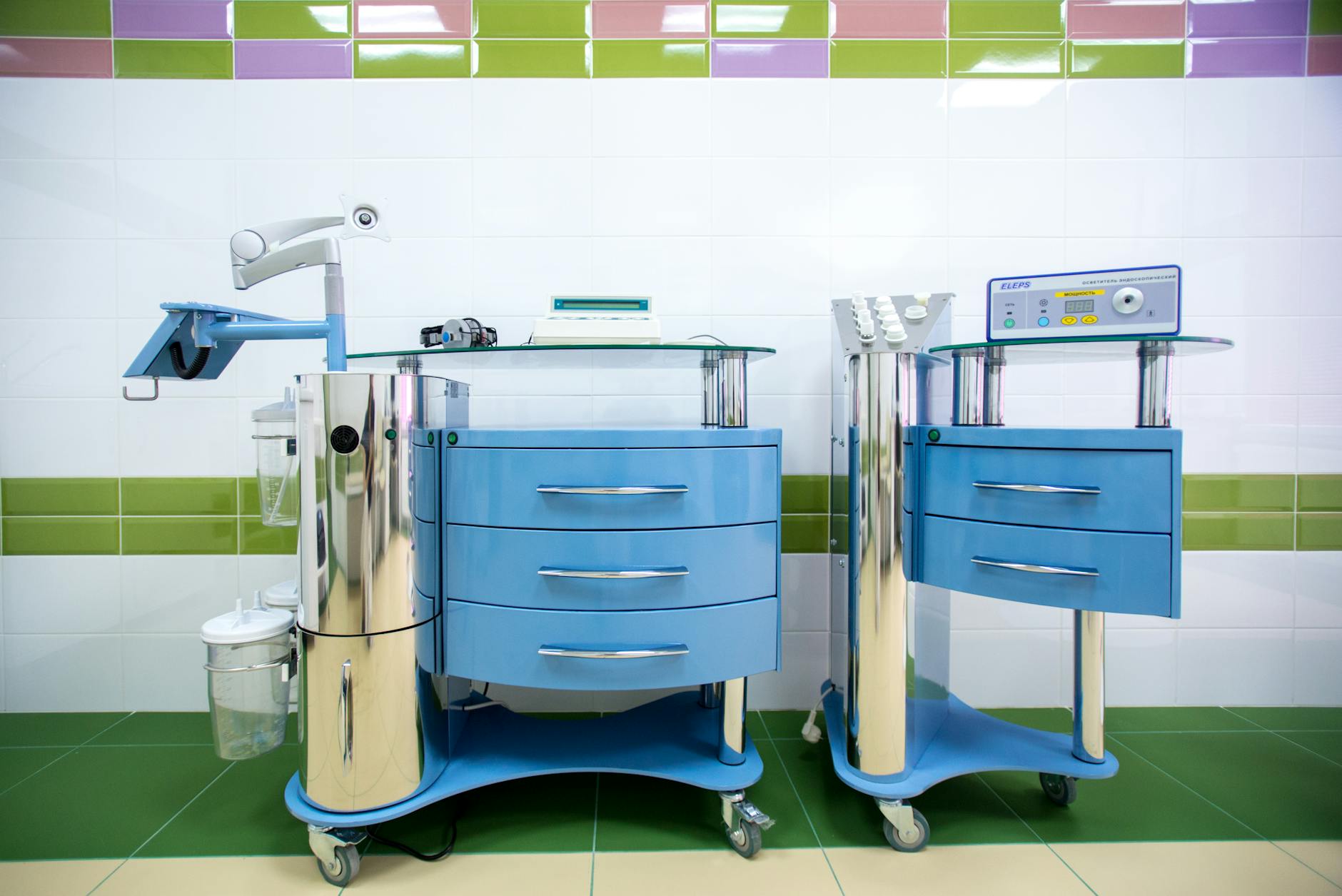
The hardware limit nobody mentions in the demo📷 Source: Web
The hardware limit nobody mentions in the demo
The hardware limits are where the demo curtain begins to fray. The catheters, while flexible, require a stable electrical supply and a temperature-controlled environment—conditions not guaranteed in every rural clinic or understaffed urban hospital. Battery life is another silent constraint; most procedures last 45–90 minutes, but the system’s power units are designed for single-use, adding significant cost per patient. Then there’s the matter of scale: training pulmonologists to operate the console takes weeks, and even then, human error remains a variable. The Mayo Clinic study acknowledges these hurdles but frames them as "implementation challenges"—a phrase that glosses over the very real friction of certification, reimbursement, and supply chain logistics.
So who actually uses this today? Early adopters include large academic medical centers like Mayo, Johns Hopkins, and Cleveland Clinic, where the infrastructure for high-tech interventions already exists. For smaller hospitals, the cost—estimated at $300,000 to $500,000 per unit—is prohibitive without proven ROI. Even in ideal settings, the system’s precision comes with a trade-off: while it reduces complications like collapsed lungs, it doesn’t eliminate them entirely. Critics argue that the real bottleneck isn’t the robot’s capability but the physician’s comfort level—and the patient’s trust in a machine guiding a needle through their lung tissue.
The marketing material promises a "safer, faster path to diagnosis," but the deployment reality is messier. The study’s data shows a 90% success rate in reaching lesions, but only 75% in obtaining adequate tissue samples for definitive diagnosis. That gap—between access and actionable results—is where the hype collides with clinical reality. For now, robotic bronchoscopy remains a powerful tool in the hands of a few, while the majority of patients still face the same old dilemmas: invasive procedures, inconclusive biopsies, and the agonizing wait for answers.
The real signal here is not the technology’s potential but the gap between innovation and adoption. Until robotic bronchoscopy addresses the trifecta of cost, reliability, and clinician training, it will remain a niche solution for elite hospitals. The broader medical community will need more than precision—they’ll need proof that it can operate in the chaos of real-world medicine, not just the sterility of a lab.