
EU Chat Control Blocked—But Privacy Isn’t Safe Yet📷 Published: Apr 15, 2026 at 24:07 UTC
- ★EU Parliament rejects mass chat scanning
- ★Voluntary scanning remains a threat
- ★No federal privacy law in the U.S. for comparison
The EU Parliament’s decision to block the extension of an e-Privacy derogation is a rare victory for digital privacy advocates. For years, the so-called Chat Control plan threatened to mandate mass scanning of private messages, undermining end-to-end encryption under the guise of child safety. While EU member states abandoned the most extreme proposal—forced scanning of encrypted chats—the battle isn’t over. The derogation’s expiration means service providers like WhatsApp and Signal can no longer legally scan messages en masse, even voluntarily. But as the EFF notes, the door remains ajar for tech giants to push for “voluntary” measures that could erode privacy just as effectively.
The real-world impact? Users in the EU can breathe easier—for now. Unlike the U.S., where no comprehensive federal privacy law exists, the EU’s e-Privacy rules generally prohibit indiscriminate scanning without legal justification. But the pressure to compromise isn’t going away. Law enforcement agencies and child safety groups continue to lobby for backdoors, framing encryption as a barrier to justice. Meanwhile, tech companies face a dilemma: comply with voluntary requests and risk alienating privacy-conscious users, or resist and invite regulatory backlash. The EU’s Digital Services Act already imposes content moderation obligations, creating a slippery slope where scanning could become the default.

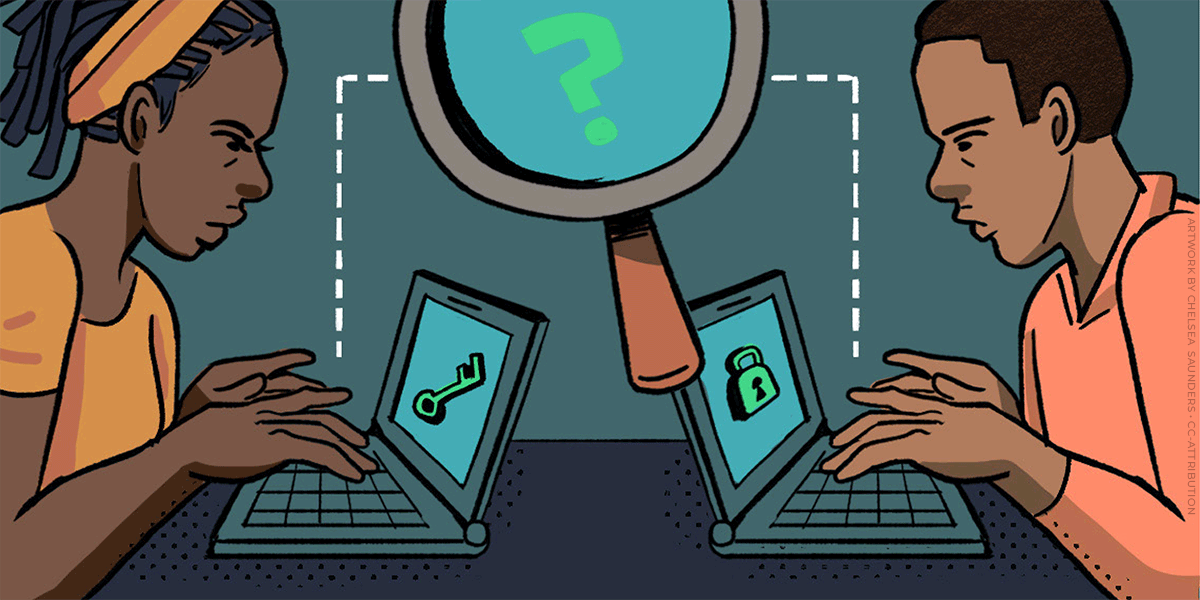
The temporary win for encryption leaves gaps for tech companies to exploit📷 Published: Apr 15, 2026 at 24:07 UTC
The temporary win for encryption leaves gaps for tech companies to exploit
For the industry, this vote is a warning shot. Platforms like Meta and Apple, which have flirted with client-side scanning for CSAM (child sexual abuse material), now face stricter legal boundaries in Europe. But the market context is messy. Smaller encrypted services, like Signal, have long argued that any scanning undermines trust in encryption—a core selling point for their user base. Larger players, however, may see voluntary compliance as a way to avoid harsher regulations. The tension is palpable: privacy advocates celebrate the derogation’s end, while law enforcement agencies warn of a “dark age” for investigations.
The user reality is even more complicated. Most people don’t read privacy policies or follow regulatory battles, but they do notice when their messages are flagged or accounts locked. The EU’s move reduces the risk of false positives from automated scanning, which has historically targeted marginalized groups. Yet, the threat of voluntary scanning lingers. If tech companies reintroduce these measures under pressure, users may not even realize their privacy is being compromised until it’s too late. The ecosystem effects are clear: encryption is stronger today, but the fight to preserve it is far from over.
The second-order impact? Regulatory arbitrage. If the EU tightens rules, companies may shift scanning efforts to regions with weaker protections, like the U.S. or Asia. This could create a two-tiered internet, where privacy depends on where you live. For now, the EU’s stance sets a precedent, but the real test will be whether other jurisdictions follow—or cave to pressure.
Will this vote deter other governments from pushing similar measures? Or will it embolden them to craft even more invasive proposals? The answer may depend on whether the tech industry sees privacy as a feature—or a liability.