
Gill Pratt’s DARPA Bet: Humanoid Robots Still Need a Reality Check
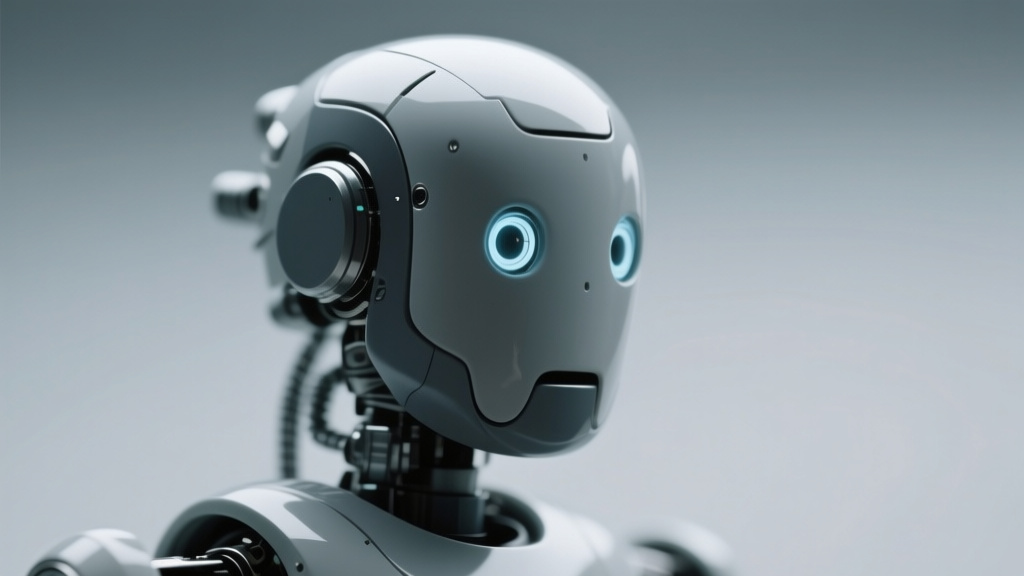
Gill Pratt’s DARPA Bet: Humanoid Robots Still Need a Reality Check📷 Source: Web
- ★DARPA’s 2012 robotics challenge targeted disaster response, not demos
- ★Atlas’ hardware limits expose the gap between lab and field
- ★Pratt’s 2012 roadmap for robotics still lacks industrial-scale proof
Gill Pratt didn’t launch the DARPA Robotics Challenge (DRC) in 2012 to produce viral fails. The $2 million competition was a calculated gamble: force teams to build humanoids that could navigate debris, climb ladders, and operate tools in simulated disaster zones—tasks real first responders actually needed. The result? Boston Dynamics’ Atlas, a machine that could stumble through doors but couldn’t yet handle the chaos of a real collapse site.
The DRC’s legacy isn’t just the robots; it’s the brutal lesson in demo vs. deployment. Pratt, now Toyota’s chief scientist, had previously used DARPA challenges to accelerate driverless cars. But humanoids face a harder reality: legs are less efficient than wheels, batteries drain faster under dynamic loads, and no amount of algorithmic grace compensates for a hydraulic leak in the rain.
Early signals suggest the DRC did push the field—just not toward the applications Pratt envisioned. The blooper reel became a cultural artifact because it exposed the truth: even the best-funded prototypes were years from reliable field use. A decade later, the question isn’t whether humanoids can work, but whether they should—given the alternatives.
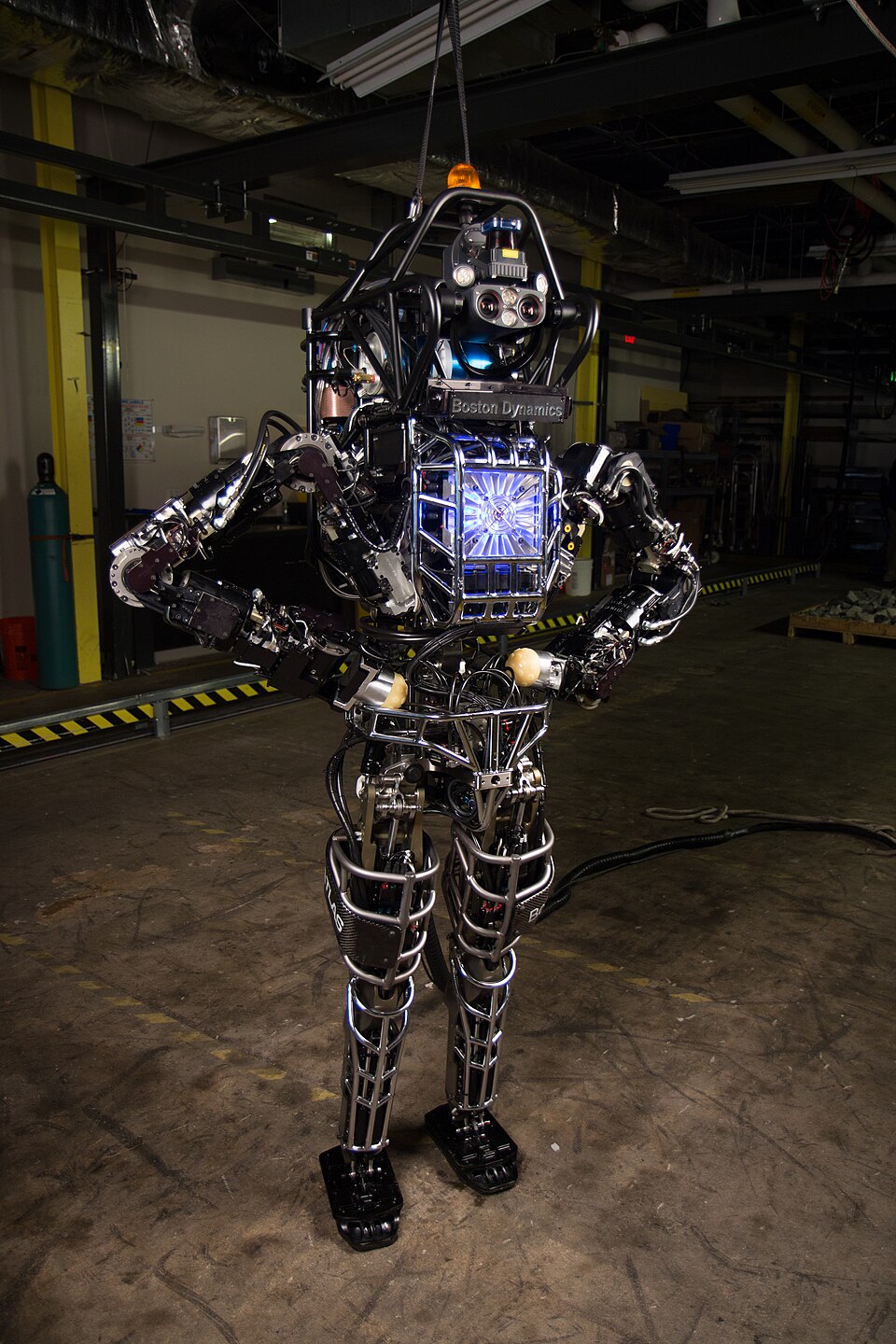
The hardware limits nobody mentions in the demo videos📷 Source: Web
The hardware limits nobody mentions in the demo videos
The real deployment barrier isn’t agility; it’s hardware economics. Atlas’ successors still require custom hydraulics, high-power tethering for extended operation, and teams of engineers to keep them running. Compare that to wheel-based disaster robots already in use by bomb squads, or drones that map collapse zones without risking a $500K prototype.
Pratt’s 2012 bet assumed humanoids were the inevitable next step. Yet the market tells a different story: logistics warehouses deploy box-moving arms, not bipedal workers; construction sites use teleoperated exoskeletons, not autonomous humanoids. The DRC’s true impact may have been proving that specialized machines beat generalists—at least for now.
Even the latest Atlas demos—parkour flips, tool manipulation—are still staged in controlled environments. The missing metric? Mean time between failures in unstructured terrain. Until that number improves by an order of magnitude, humanoids remain a solution in search of a problem.
For industries watching this space, the signal is clear: humanoids are a luxury R&D project until their total cost of ownership drops below that of alternatives. Pratt’s vision was never wrong—just early. The clock is still ticking.