
Starship’s sixth flight proves reuse is the real race
Starship’s sixth flight proves reuse is the real race📷 Published: Mar 23, 2026 at 12:00 UTC
- ★Super Heavy’s 33-engine boostback burn confirmed operational
- ★Stage separation now a solved variable in reuse timeline
- ★Full-system reusability edges closer to economic viability
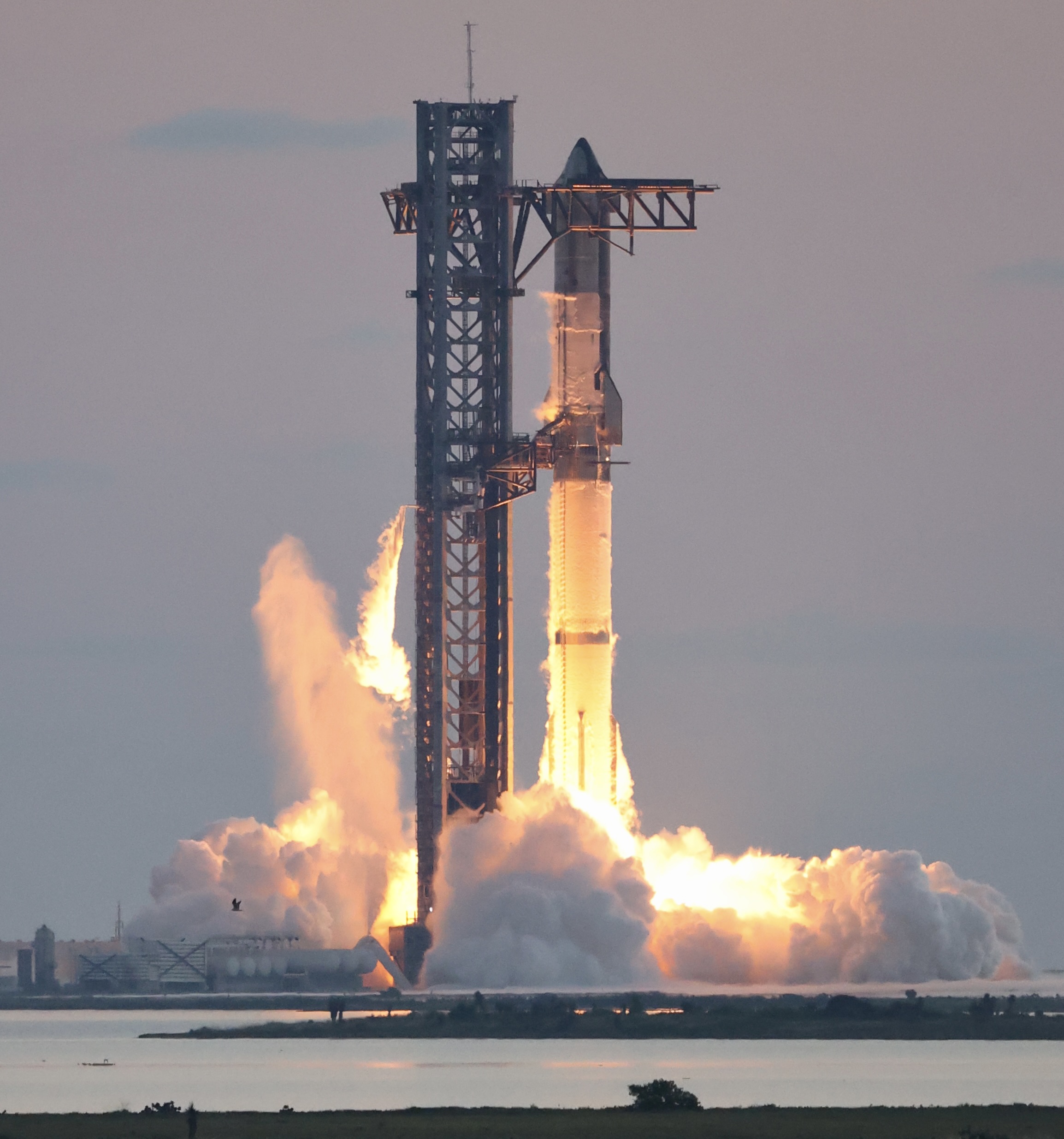
When SpaceX’s Starship lifted off from Starbase on November 19, the real story wasn’t the fire and thunder—it was the quiet confirmation that the most complex part of rocket reuse is becoming routine. The sixth flight test demonstrated what SpaceX’s engineering roadmap has long promised: a Super Heavy booster executing a nominal ascent, clean stage separation, and a boostback burn with all 33 Raptor engines performing as intended.
This wasn’t just another launch. It was the first time the booster’s return trajectory—critical for eventual catch-and-reuse—was validated under full thrust. Unlike prior tests where anomalies derailed post-separation objectives, this flight treated the boostback burn as a given, not an experiment. That’s a tectonic shift. For a vehicle designed to be fully reusable, proving the booster can reliably pivot from launch to landing mode is the difference between a prototype and a production system.
The implications stretch beyond SpaceX. Reusable heavy-lift rockets aren’t just about cutting costs—they’re about changing the economics of orbital infrastructure. If Starship’s booster can be flown, landed, and reflown with minimal refurbishment, the calculus for mega-constellations, lunar bases, and even Mars missions flips from aspirational to operational.
The milestone that shifts Starship from spectacle to system📷 Published: Mar 23, 2026 at 12:00 UTC
The milestone that shifts Starship from spectacle to system
What happened, second by second, underscores how far the program has come. At T+0, all 33 Raptors ignited—a feat that still ranks among the most technically demanding in rocketry. By T+2:41, stage separation occurred at ~70 km altitude, with the booster immediately initiating its boostback burn. No engine failures. No unexpected trajectories. Just a machine doing what machines are supposed to do: work.
Yet the most significant data point isn’t what did happen, but what didn’t. There were no unplanned disassembly events, no last-second aborts, no mysteries to unravel in telemetry. For a test flight, that’s the definition of success. The FAA’s post-launch assessment noted no major anomalies—a rarity in Starship’s history and a sign that the vehicle’s design iterations are converging on stability.
The next frontier? Proving the same reliability for Starship’s upper stage, which still needs to demonstrate controlled re-entry and landing. But the booster’s performance removes the biggest variable from the equation. As industry analysts at BryceTech note, ‘Reuse isn’t about flying twice. It’s about flying hundreds of times—and this test is the first domino.’
Operationally, the boostback burn’s success means SpaceX can now focus on refining turnover times between flights. If the booster’s thermal protection and engine health hold up after multiple cycles, the company’s internal target of daily Starship launches by 2026 starts to look plausible—not as marketing, but as milestone.