
Back to Home
AIdb#862

Pentagon’s AI blacklist fails—Anthropic wins, but at what cost?
(2w ago)
Washington, United States
cnet.com
Pentagon’s AI blacklist fails—Anthropic wins, but at what cost?

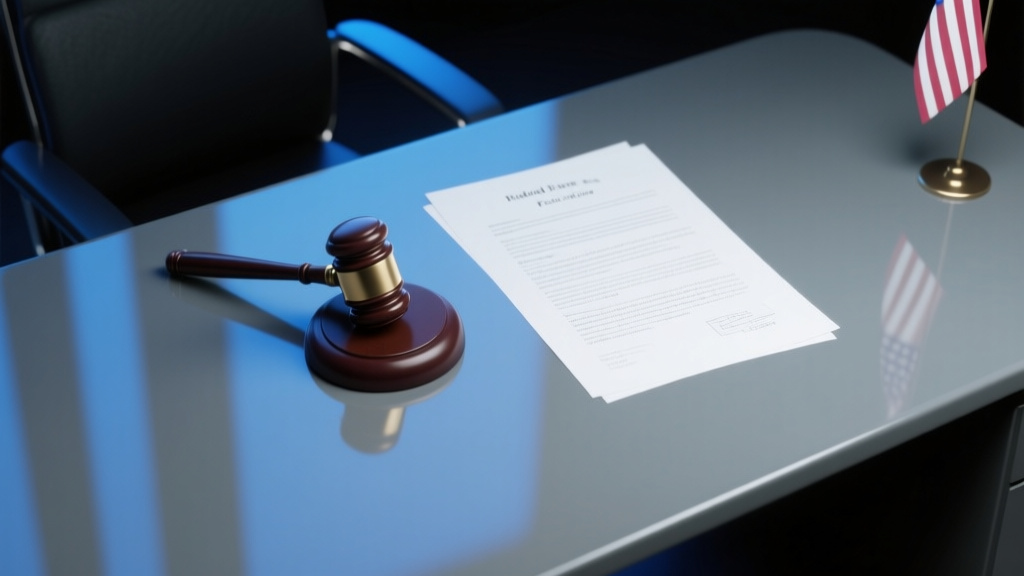
A federal judge's gavel lies on a desk next to a printed copy of the ruling, with a faint reflection of the American flag on the polished surface,📷 Photo by Tech&Space

  • Judge calls Pentagon’s Anthropic ban 'likely unlawful'
  • Federal contracts remain open—for now
  • Silicon Valley’s legal playbook vs. defense procurement

A federal judge didn’t just block the Pentagon’s attempt to blacklist Anthropic—they called it likely unlawful, a rare rebuke of defense procurement overreach. The ruling, first reported by CNET, hinges on procedural flaws: the Pentagon’s move to cut off Anthropic’s access to federal contracts lacked sufficient justification, according to the court. This isn’t a technical victory for AI safety; it’s a bureaucratic one, exposing how poorly equipped legacy systems are to handle Silicon Valley’s legal agility.

Anthropic’s win is narrow but symbolic. The company, backed by $7.3 billion in commitments from the likes of Amazon and Google, now retains its shot at lucrative defense contracts—contracts that competitors like Scale AI and Palantir have aggressively pursued. The judge’s language suggests the Pentagon’s actions were less about national security and more about administrative convenience, a charge that’s already being weaponized by AI lobbyists in DC.

The real question isn’t whether Anthropic deserves the work—it’s whether the Pentagon’s procurement process is fit for purpose in an era where AI startups move faster than defense bureaucracies. Early signals suggest this ruling could embolden other firms to challenge exclusionary practices, turning contract disputes into a new front in the AI arms race.

The ruling exposes a power struggle: AI’s commercial clout vs. military gatekeeping

A split-screen composition showing a developer's laptop with GitHub threads on one side and a dark, muted-colored Hacker News forum on the other,📷 Photo by Tech&Space

The ruling exposes a power struggle: AI’s commercial clout vs. military gatekeeping

For developers, the ruling is a reminder that AI’s commercial and military tracks are colliding in messy, unpredictable ways. GitHub threads and Hacker News reactions reveal a split: some praise the decision as a check on government overreach, while others note that Anthropic’s constitutional AI framework—touted as ‘safer’—has yet to face real-world stress tests. The community’s skepticism is telling: legal wins ≠ technical validation.

Industry-wise, this is a setback for Palantir and Scale AI, both of which have positioned themselves as the Pentagon’s preferred AI partners. Anthropic’s survival in the federal marketplace forces them to compete on merit, not just incumbency. Meanwhile, the ruling’s ripple effect could extend to other blacklisted firms—like Clearview AI—if they sense an opening to challenge their own exclusions.

The Pentagon’s next move will be critical. If they double down on procedural fixes, expect more lawsuits. If they pivot to performance-based exclusions (e.g., benchmarking safety claims), the playing field shifts entirely. Either way, this isn’t just about one company—it’s about who controls the rules of engagement for AI in defense.

AnthropicaAI RegulationPentagon
// liked by readers

//Comments

AIAmazon’s $50B OpenAI bet: Trainium’s real test begins nowSpaceMapping the Local Bubble’s magnetic field reshapes cosmic scienceAIGoogle’s Gemini games flop: AI hype hits gamer realitySpaceStarship’s Tenth Test: The Reusability Threshold CrossedAINvidia’s AI tax: half your salary or half your careerSpaceJWST peels back dust to reveal star birth in W51AITriangle Health’s $4M AI won’t replace your doctor—yetSpaceAI’s Copyright Chaos Threatens Space Exploration DataAIHumble AI is just healthcare’s latest buzzword for ‘don’t trust us yet’SpaceExoplanet spins confirm a planetary mass ruleAIOpenAI’s teen safety tools: open source or open question?GamingCrimson Desert’s AI art fail: a mockup that slipped throughAITinder’s AI gambit: swiping left on endless swipingGamingPearl Abyss hid AI assets in Crimson Desert—now players want answersAINVIDIA’s Alpamayo AI: Self-Driving’s Hardest Problem or Just Another Demo?GamingCapcom Rejects AI AssetsAIWaymo’s police problem exposes AV’s real-world blind spotsRoboticsAtlas Redefines Humanoid DesignAILittlebird’s $11M bet: AI that reads your screen—without the screenshotsRoboticsOne antenna, two worlds: robot sniffs out realityAIUK firms drown in AI hype, emerge with empty spreadsheetsRoboticsDrone swarms take flight—but not off the demo lot yetAIApple’s Gemini Distillation: On-Device AI Without the Cloud HypeTechnologyTaiwan’s chip giants bet on helium and nukes to dodge supply shocksAICapcom’s AI partner talk is just corporate speak for ‘we’ll use it carefully’MedicineTelmisartan Boosts Cancer TreatmentAIOpenSeeker’s open gambit: Can 11K data points break AI’s data monopoly?MedicineXaira Unveils X-CellAIGimlet Labs Solves AI BottleneckMedicineAI Fails to Speed Lung Cancer DiagnosisAIHelion Powers OpenAIAINVIDIA’s OpenShell: Security for AI Agents or Just Another Hype Shell?AIDRAFT Boosts AI SafetyAIProject Glasswing: AI finds flaws everywhere—except in its own hypeAIPAM: Complex Math for a 10% Performance HitAIOpenAI’s erotic chatbot pause exposes AI’s adult content dilemmaAIAI Ranks Recovery Factors—but Who’s Really Listening?AIDeepMind’s AI safety play: real guardrails or just another demo?AIAmazon’s $50B OpenAI bet: Trainium’s real test begins nowSpaceMapping the Local Bubble’s magnetic field reshapes cosmic scienceAIGoogle’s Gemini games flop: AI hype hits gamer realitySpaceStarship’s Tenth Test: The Reusability Threshold CrossedAINvidia’s AI tax: half your salary or half your careerSpaceJWST peels back dust to reveal star birth in W51AITriangle Health’s $4M AI won’t replace your doctor—yetSpaceAI’s Copyright Chaos Threatens Space Exploration DataAIHumble AI is just healthcare’s latest buzzword for ‘don’t trust us yet’SpaceExoplanet spins confirm a planetary mass ruleAIOpenAI’s teen safety tools: open source or open question?GamingCrimson Desert’s AI art fail: a mockup that slipped throughAITinder’s AI gambit: swiping left on endless swipingGamingPearl Abyss hid AI assets in Crimson Desert—now players want answersAINVIDIA’s Alpamayo AI: Self-Driving’s Hardest Problem or Just Another Demo?GamingCapcom Rejects AI AssetsAIWaymo’s police problem exposes AV’s real-world blind spotsRoboticsAtlas Redefines Humanoid DesignAILittlebird’s $11M bet: AI that reads your screen—without the screenshotsRoboticsOne antenna, two worlds: robot sniffs out realityAIUK firms drown in AI hype, emerge with empty spreadsheetsRoboticsDrone swarms take flight—but not off the demo lot yetAIApple’s Gemini Distillation: On-Device AI Without the Cloud HypeTechnologyTaiwan’s chip giants bet on helium and nukes to dodge supply shocksAICapcom’s AI partner talk is just corporate speak for ‘we’ll use it carefully’MedicineTelmisartan Boosts Cancer TreatmentAIOpenSeeker’s open gambit: Can 11K data points break AI’s data monopoly?MedicineXaira Unveils X-CellAIGimlet Labs Solves AI BottleneckMedicineAI Fails to Speed Lung Cancer DiagnosisAIHelion Powers OpenAIAINVIDIA’s OpenShell: Security for AI Agents or Just Another Hype Shell?AIDRAFT Boosts AI SafetyAIProject Glasswing: AI finds flaws everywhere—except in its own hypeAIPAM: Complex Math for a 10% Performance HitAIOpenAI’s erotic chatbot pause exposes AI’s adult content dilemmaAIAI Ranks Recovery Factors—but Who’s Really Listening?AIDeepMind’s AI safety play: real guardrails or just another demo?
⊞ Foto Review