
Blue Ghost Reveals Moon Secrets📷 Source: Web
- ★Blue Ghost lunar lander
- ★Challenges moon theory
- ★Firefly Aerospace
Firefly Aerospace's Blue Ghost lunar lander has released its first results, casting doubt on the decades-old view of the moon as divided between a hotter near side and a cooler far side. Data from the lander suggests that significant gaps remain in the scientific understanding of the moon. According to Space.com, the findings challenge the previous theory regarding the moon's thermal characteristics. The Blue Ghost lunar lander is part of a larger program to explore the moon's surface and subsurface.
The mission context is crucial in understanding the significance of these findings. The Blue Ghost lunar lander is operated by Firefly Aerospace, a private aerospace company focused on space exploration. As Firefly Aerospace notes, the lander's data will help scientists better understand the moon's composition and properties.
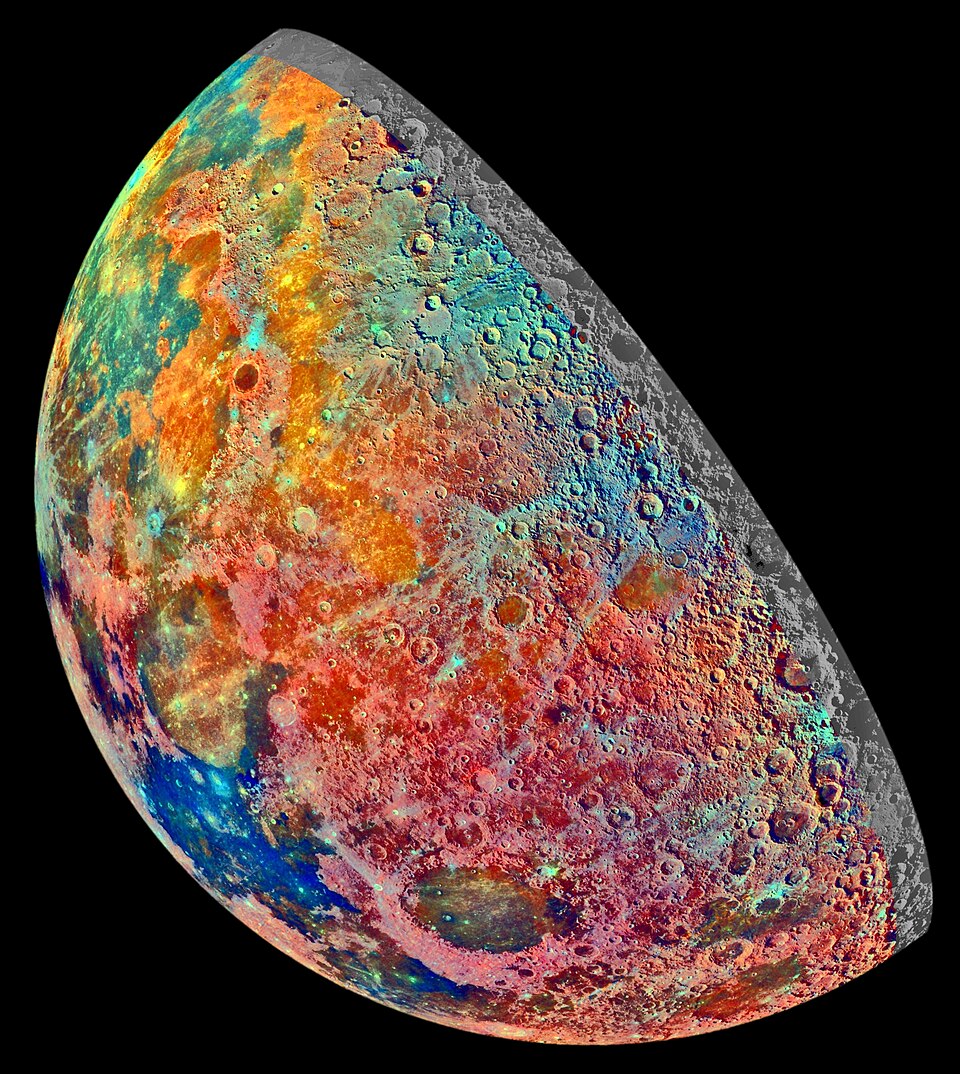
New Data Redefines Moon's Thermal Characteristics📷 Source: Web
New Data Redefines Moon's Thermal Characteristics
The scientific significance of these findings cannot be overstated. The moon's thermal characteristics are essential in understanding its geological history and potential resources. As NASA explains, the moon's surface temperature varies greatly between day and night, making it challenging to study. The Blue Ghost lunar lander's data will help scientists develop more accurate models of the moon's thermal characteristics. Furthermore, researchers are eager to analyze the data to gain a deeper understanding of the moon's internal structure.
The next steps in the mission involve analyzing the data in more detail and planning future missions to the moon. As SpaceNews reports, the Blue Ghost lunar lander is just the beginning of a new era in lunar exploration. The data collected will help inform future missions and ensure that they are equipped to handle the challenges of exploring the moon's surface.
The operational implications of these findings are substantial, as they will inform the design and planning of future lunar missions. For instance, the data collected will help scientists develop more accurate models of the moon's thermal characteristics, which will be crucial in planning future missions. The real bottleneck may not be where the marketing points, but rather in our understanding of the moon's internal structure.