
Back to Home
Roboticsdb#662

Spot’s reality check: Digital twins meet deployment limits
(3w ago)
Waltham, Massachusetts, United States
Boston Dynamics
Spot’s reality check: Digital twins meet deployment limits

Spot’s reality check: Digital twins meet deployment limits📷 Published: Mar 24, 2026 at 12:00 UTC

  • Autonomous Spot + Leica BLK ARC for industrial digital twins
  • Demo shows promise, but real-world deployment hurdles remain
  • Battery life, payload, and facility constraints limit scale-up

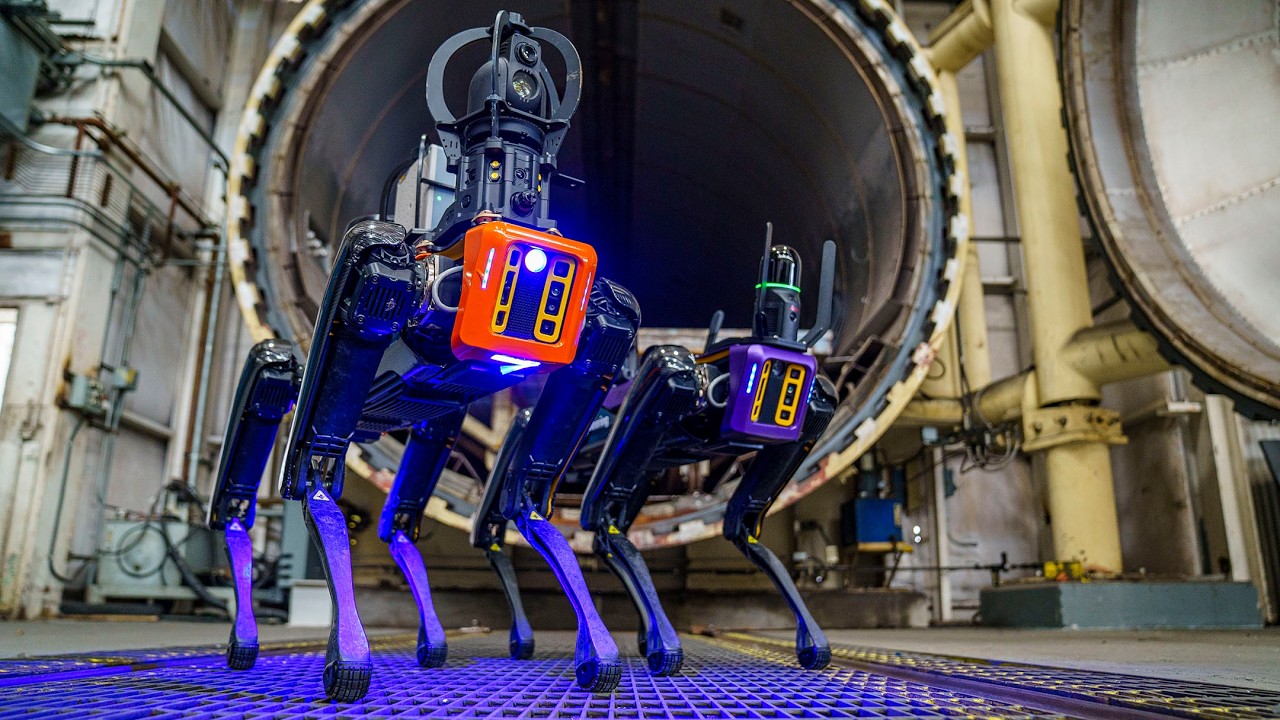
When ST Engineering MRAS deployed Boston Dynamics’ Spot to autonomously inspect equipment and generate digital twins, the demo looked seamless: a robot trotting through facilities, capturing machine health data and point clouds via the integrated Leica BLK ARC. The pitch is compelling—automated reality capture for industrial digital twins—but the real question isn’t whether it can work. It’s whether it can work reliably outside a controlled video. The integration itself is a confirmed step forward. Spot’s mobility paired with the BLK ARC’s precision scanning creates a system that, in theory, reduces human labor in hazardous or repetitive inspection tasks. ST Engineering’s use case—monitoring critical machinery in what appears to be a structured, indoor environment—fits the demo script perfectly. But structured environments are the easy part. The harder test comes when variables multiply: uneven floors, dynamic obstacles, or facilities where Wi-Fi drops mid-scan. Boston Dynamics has long positioned Spot as a platform for industrial payloads, and the BLK ARC integration extends that logic. Yet the case study, like most, omits the unglamorous details: How often does Spot need to recharge during a full facility sweep? What’s the failure rate when mapping complex geometries? And how much post-processing is required to turn raw point clouds into actionable digital twins? These aren’t nitpicks—they’re the difference between a proof of concept and a deployable tool.
The gap between polished case studies and factory-floor reliability

The gap between polished case studies and factory-floor reliability📷 Published: Mar 24, 2026 at 12:00 UTC

The gap between polished case studies and factory-floor reliability

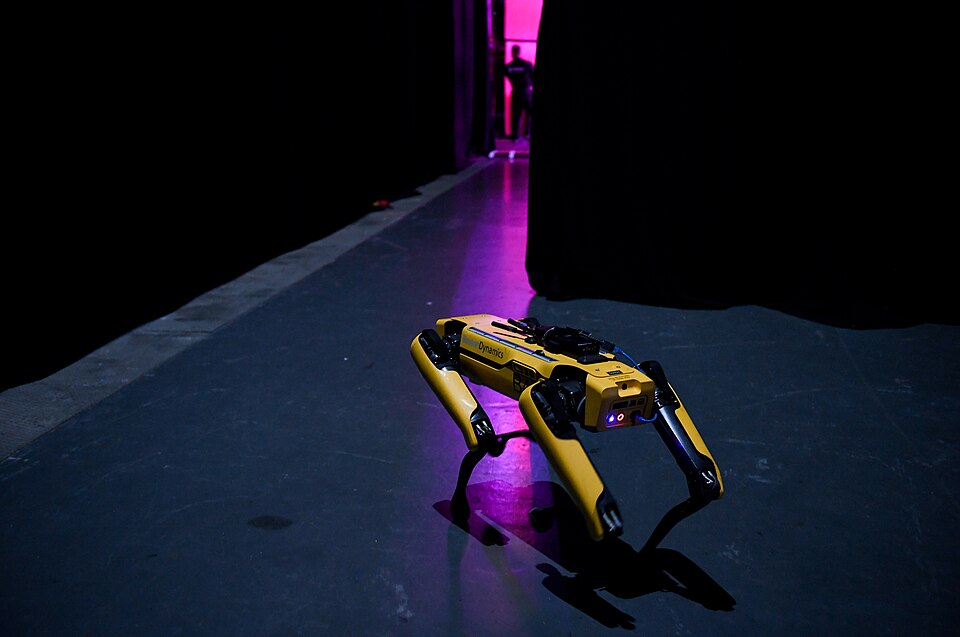
The hardware limits are the first reality check. Spot’s 90-minute battery life (under ideal conditions) means frequent swaps or charging breaks for large facilities. The BLK ARC adds payload weight, reducing agility, and its scanning range—while precise—demands careful path planning to avoid gaps in data capture. Then there’s the facility itself: Spot struggles with stairs without modifications, and the BLK ARC’s laser scanning requires controlled lighting to avoid noise. None of this is insurmountable, but it’s all friction—the kind that doesn’t show up in marketing reels. The bigger hurdle is scale-up. ST Engineering’s deployment is a single, high-profile example, but widespread adoption would require certifications for hazardous environments (e.g., ATEX for explosive atmospheres), standardized data pipelines for digital twin integration, and proof that the system’s total cost of ownership beats manual inspections. Early adopters like BP and Duke Energy have tested Spot in limited roles, but none have publicly detailed the operational trade-offs. For now, the signal isn’t about Spot replacing humans—it’s about augmenting them in specific conditions. The real bottleneck may not be the robot’s capabilities, but the industrial ecosystem’s readiness to absorb another semi-autonomous tool into workflows already crowded with legacy systems and safety protocols.

SpotLeica BLK ARCIndustrial Automation
// liked by readers

//Comments

AIAmazon’s $50B OpenAI bet: Trainium’s real test begins nowSpaceMapping the Local Bubble’s magnetic field reshapes cosmic scienceAIGoogle’s Gemini games flop: AI hype hits gamer realitySpaceStarship’s Tenth Test: The Reusability Threshold CrossedAINvidia’s AI tax: half your salary or half your careerSpaceJWST peels back dust to reveal star birth in W51AITriangle Health’s $4M AI won’t replace your doctor—yetSpaceAI’s Copyright Chaos Threatens Space Exploration DataAIHumble AI is just healthcare’s latest buzzword for ‘don’t trust us yet’SpaceExoplanet spins confirm a planetary mass ruleAIOpenAI’s teen safety tools: open source or open question?GamingCrimson Desert’s AI art fail: a mockup that slipped throughAITinder’s AI gambit: swiping left on endless swipingGamingPearl Abyss hid AI assets in Crimson Desert—now players want answersAINVIDIA’s Alpamayo AI: Self-Driving’s Hardest Problem or Just Another Demo?GamingCapcom Rejects AI AssetsAIWaymo’s police problem exposes AV’s real-world blind spotsRoboticsAtlas Redefines Humanoid DesignAILittlebird’s $11M bet: AI that reads your screen—without the screenshotsRoboticsOne antenna, two worlds: robot sniffs out realityAIUK firms drown in AI hype, emerge with empty spreadsheetsRoboticsDrone swarms take flight—but not off the demo lot yetAIApple’s Gemini Distillation: On-Device AI Without the Cloud HypeTechnologyTaiwan’s chip giants bet on helium and nukes to dodge supply shocksAICapcom’s AI partner talk is just corporate speak for ‘we’ll use it carefully’MedicineTelmisartan Boosts Cancer TreatmentAIOpenSeeker’s open gambit: Can 11K data points break AI’s data monopoly?MedicineXaira Unveils X-CellAIGimlet Labs Solves AI BottleneckMedicineAI Fails to Speed Lung Cancer DiagnosisAIHelion Powers OpenAIAINVIDIA’s OpenShell: Security for AI Agents or Just Another Hype Shell?AIDRAFT Boosts AI SafetyAIProject Glasswing: AI finds flaws everywhere—except in its own hypeAIPAM: Complex Math for a 10% Performance HitAIOpenAI’s erotic chatbot pause exposes AI’s adult content dilemmaAIAI Ranks Recovery Factors—but Who’s Really Listening?AIDeepMind’s AI safety play: real guardrails or just another demo?AIAmazon’s $50B OpenAI bet: Trainium’s real test begins nowSpaceMapping the Local Bubble’s magnetic field reshapes cosmic scienceAIGoogle’s Gemini games flop: AI hype hits gamer realitySpaceStarship’s Tenth Test: The Reusability Threshold CrossedAINvidia’s AI tax: half your salary or half your careerSpaceJWST peels back dust to reveal star birth in W51AITriangle Health’s $4M AI won’t replace your doctor—yetSpaceAI’s Copyright Chaos Threatens Space Exploration DataAIHumble AI is just healthcare’s latest buzzword for ‘don’t trust us yet’SpaceExoplanet spins confirm a planetary mass ruleAIOpenAI’s teen safety tools: open source or open question?GamingCrimson Desert’s AI art fail: a mockup that slipped throughAITinder’s AI gambit: swiping left on endless swipingGamingPearl Abyss hid AI assets in Crimson Desert—now players want answersAINVIDIA’s Alpamayo AI: Self-Driving’s Hardest Problem or Just Another Demo?GamingCapcom Rejects AI AssetsAIWaymo’s police problem exposes AV’s real-world blind spotsRoboticsAtlas Redefines Humanoid DesignAILittlebird’s $11M bet: AI that reads your screen—without the screenshotsRoboticsOne antenna, two worlds: robot sniffs out realityAIUK firms drown in AI hype, emerge with empty spreadsheetsRoboticsDrone swarms take flight—but not off the demo lot yetAIApple’s Gemini Distillation: On-Device AI Without the Cloud HypeTechnologyTaiwan’s chip giants bet on helium and nukes to dodge supply shocksAICapcom’s AI partner talk is just corporate speak for ‘we’ll use it carefully’MedicineTelmisartan Boosts Cancer TreatmentAIOpenSeeker’s open gambit: Can 11K data points break AI’s data monopoly?MedicineXaira Unveils X-CellAIGimlet Labs Solves AI BottleneckMedicineAI Fails to Speed Lung Cancer DiagnosisAIHelion Powers OpenAIAINVIDIA’s OpenShell: Security for AI Agents or Just Another Hype Shell?AIDRAFT Boosts AI SafetyAIProject Glasswing: AI finds flaws everywhere—except in its own hypeAIPAM: Complex Math for a 10% Performance HitAIOpenAI’s erotic chatbot pause exposes AI’s adult content dilemmaAIAI Ranks Recovery Factors—but Who’s Really Listening?AIDeepMind’s AI safety play: real guardrails or just another demo?
⊞ Foto Review